Top 5 Alaskan Malamute Health Problems Owners Should Know
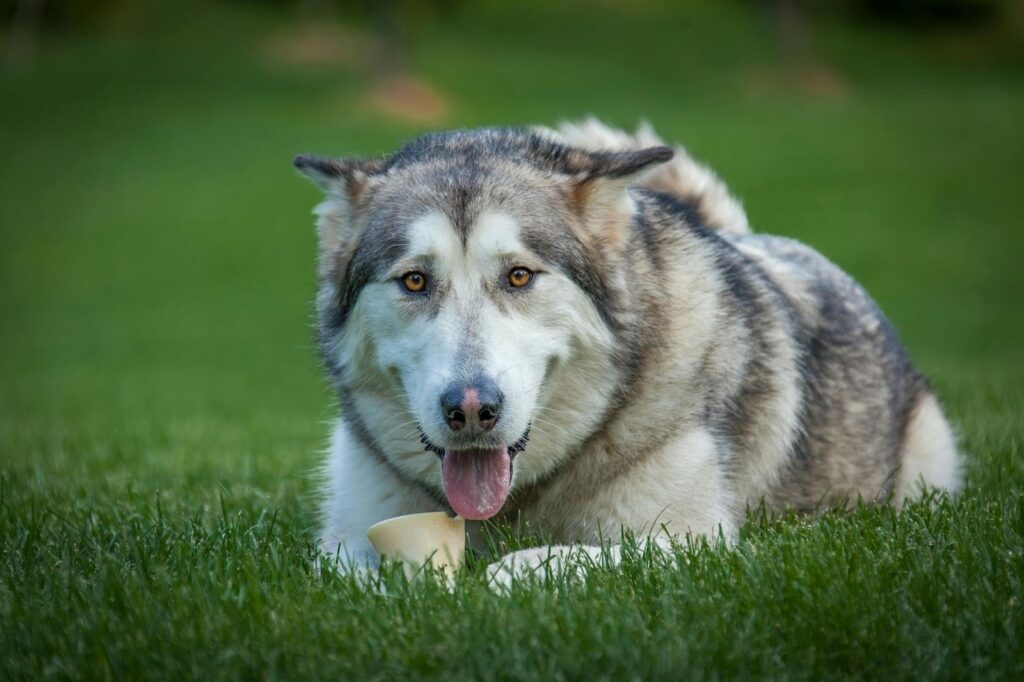
The Alaskan Malamute is one of the most powerful and iconic Arctic working breeds—built for endurance, heavy pulling, and surviving extreme weather. Their deep chest, strong frame, dense double coat, and impressive stamina make them incredible companions for active households. But like many large, athletic breeds, Malamutes carry certain inherited health risks that future owners should understand.
If you’re thinking about adding one of these striking dogs to your home, here are five of the most common Alaskan Malamute health concerns, along with insights from veterinary medicine on how they appear, how they’re managed, and what you can do to help keep your dog healthy.
1. Cataracts
Cataracts occur when the normally clear lens of the eye becomes cloudy, affecting how light enters the eye and ultimately impairing vision. Alaskan Malamutes have a known hereditary risk for early-onset cataracts, though dogs can also develop them from age, injury, or conditions like diabetes.
What pet owners usually notice:
- A hazy or bluish tint in the pupil
- Your dog hesitating in dim light or on stairs
- More frequent bumping into furniture
- Reduced confidence in new environments
Diagnosing cataracts is straightforward—your vet will examine the eye and may refer you to a veterinary ophthalmologist. Treatment varies depending on how advanced the cataract is:
- Early-stage cataracts may simply be monitored.
- Surgical removal remains the most effective option for restoring vision.
- Dogs who go blind from cataracts often adapt better than expected with routine and environmental consistency.
Cataracts don’t always mean pain, but they do mean your dog is working harder to interpret the world visually. Early detection gives you more time to plan the best long-term care.
2. Hip Dysplasia
Hip dysplasia is one of the most well-known health problems in large, powerful breeds like the Malamute. The condition begins when the hip joint doesn’t form tightly, causing the ball and socket to grind instead of glide. Over time, this abnormal wear leads to inflammation and structural damage inside the joint—setting the stage for osteoarthritis (OA).
Why Malamutes are at risk:
- Genetics are the primary driver
- Rapid growth during puppyhood
- Excess weight (very common in strong, food-motivated breeds)
- High-impact exercise at a young age
Common signs owners notice:
- “Bunny hopping” at faster speeds
- Slowing down on walks
- Hesitation to jump into the car or onto furniture
- Stiffness after naps
A veterinarian typically diagnoses hip dysplasia using X-rays along with gait and mobility evaluations. Most treatment plans combine:
- Weight management (one of the most effective tools we have)
- Joint supplements, especially omega-3s and glucosamine
- Physical therapy or underwater treadmill
- Medications during flare-ups
- Surgery in more advanced cases or in younger dogs with significant structural issues
As hip dysplasia progresses, it almost always leads to osteoarthritis, a degenerative condition that causes chronic pain, stiffness, and reduced mobility.
At Gallant, we`re actively studying stem cell therapies for osteoarthritis, evaluating how mesenchymal stem cells may help reduce inflammation inside the joint, support cartilage repair, improve comfort and mobility, and reduce reliance on long-term pain medications.
While these therapies are still being investigated and regulated, early clinical studies show promise, especially for large breeds with joint disease starting early in life.
Advanced Veterinary Science
Be part of the movement bringing stem cell therapies into everyday veterinary care. Clinical trials are underway for conditions like atopic dermatitis and arthritis, helping pets live healthier, more comfortable lives.
3. Degenerative Polyneuropathy
Degenerative polyneuropathy (DP) is a neurological condition caused by the progressive degeneration of nerve fibers in the spinal cord. Malamutes have a known genetic variant associated with DP, making it especially important for breeders to screen their dogs.
What it looks like at home:
- Hind-leg weakness that worsens gradually
- Stumbling or dragging the toes
- Difficulty rising, especially on slippery surfaces
- Reduced endurance on walks
DP doesn’t typically cause pain, but it does affect coordination and muscle strength. Since no cure exists, the veterinary focus is on maintaining comfort and mobility:
- Physical therapy to keep muscles engaged
- Paw protection or boots to prevent injuries from dragging
- Home modifications (grippy mats, ramps, fewer stairs)
- Monitoring progression so quality-of-life decisions can be made thoughtfully
Because symptoms progress slowly and are subtle at first, many owners mistake DP for “normal aging.” Early veterinary evaluation helps clarify whether something more significant is happening.
4. Dwarfism (Pituitary Dwarfism)
Pituitary dwarfism is an inherited disorder where the pituitary gland doesn’t produce enough growth hormone. In Malamutes, this condition is uncommon but noteworthy because it dramatically affects development.
Typical signs:
- Puppies stay noticeably smaller than littermates
- Soft, fuzzy “puppy coat” that doesn’t transition normally
- Dental abnormalities
- Proportionally shorter legs or widened joints
- Potential infertility
Diagnosis often involves a combination of physical evaluation, hormone testing, and sometimes imaging.
Even with supportive care, dwarfism is a lifelong condition. Preventing the disorder through genetic screening in breeding programs is the most effective “treatment.”
5. Hypothyroidism
Hypothyroidism occurs when the thyroid gland doesn’t produce enough hormones to regulate metabolism. It is one of the more common endocrine disorders in large dogs, including Malamutes.
Symptoms owners often notice first:
- Weight gain despite normal feeding
- Slower movements or fatigue
- Dry, flaky skin or recurring infections
- Thinning tail fur (“rat tail”)
- Cold intolerance
Because the symptoms mimic “getting older,” many cases go undiagnosed longer than they should. If your Malamute seems to be slowing down without explanation, thyroid testing is often the first place veterinarians look.
Treatment is simple and reliable:
- A daily thyroid hormone pill
- Routine blood checks a few times a year
- Adjusted dosing as your dog ages
With the right medication, dogs usually experience a full return of energy, coat quality, and overall health.
Is an Alaskan Malamute the Right Breed for You?
Alaskan Malamutes are not a casual breed choice—they’re powerful, intelligent dogs built for work, endurance, and purpose. Their strength, size, and genetic background mean they thrive best with owners who understand both their physical demands and their long-term health needs.
For future Malamute owners, the biggest keys to success are thoughtful breeding selection, careful weight management, early joint and mobility awareness, and consistent veterinary oversight. Many of the breed’s most impactful health conditions develop gradually and benefit most from early attention rather than reactive care.
When their needs are met, Malamutes can enjoy long, active lives filled with adventure, connection, and deep loyalty.