5 Common Basset Hound Health Issues
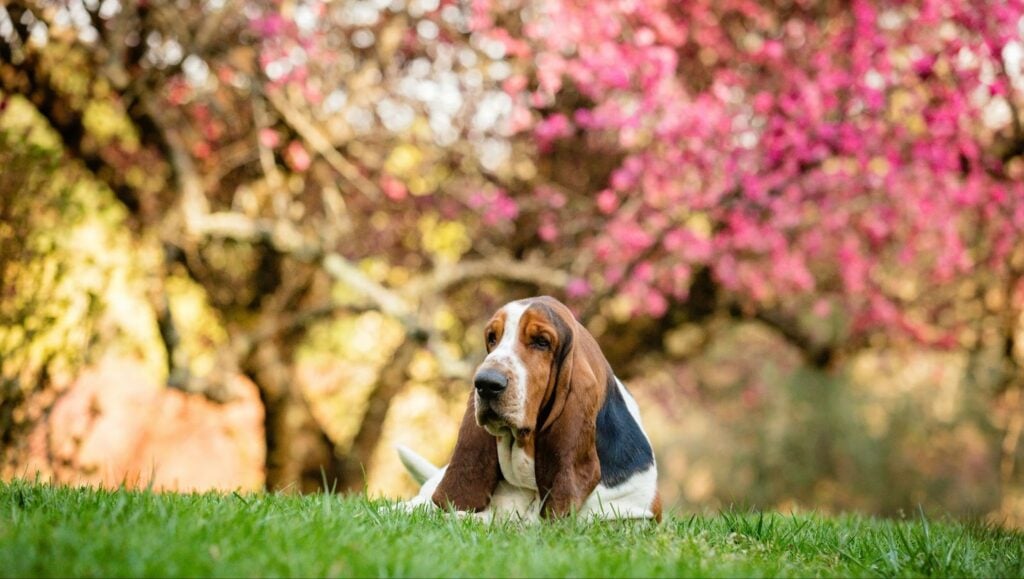
With their long ears, droopy eyes, and low-to-the-ground build, Basset Hounds are instantly recognizable and hard not to love. These dogs are known for being gentle, loyal, and perfectly content lounging beside their people after a good sniff-filled walk.
Overall, Basset Hounds are a fairly sturdy breed, but their unique body shape and genetics do come with some health considerations. Their short legs, long backs, heavy bones, and loose skin all influence how their bodies age and respond to wear and tear. Knowing what to watch for can help you catch issues early and keep your Basset comfortable for years to come.
Below are some of the most common health concerns seen in Basset Hounds.
1. Glaucoma
Those soulful, droopy eyes are one of the Basset Hound’s most charming features, but they can also make the breed more prone to eye problems, including glaucoma.
Glaucoma develops when fluid inside the eye doesn’t drain properly, causing pressure to build up. Over time, that pressure can damage the optic nerve and affect vision.
Early signs aren’t always dramatic, which is why pet owners sometimes miss them:
- Red or cloudy-looking eyes
- Squinting or keeping one eye partially closed
- Sensitivity to light
- Eyes that look enlarged or unusually firm
Glaucoma is considered an urgent condition. Treatment typically focuses on reducing eye pressure and managing discomfort through medication and close monitoring. While vision loss can occur, early detection can help slow progression and improve your dog’s comfort.
2. Hip Dysplasia
Even though Basset Hounds aren’t tall dogs, their heavy frame on short legs puts a lot of stress on their joints, especially the hips.
Hip dysplasia happens when the hip joint doesn’t fit together smoothly, causing abnormal movement that wears down cartilage over time.
Early signs Basset owners often notice:
- A stiff or awkward rise after lying down
- Slower movement on walks
- Reluctance to climb stairs or jump into the car
- A waddling or uneven gait
Hip dysplasia isn’t life-threatening, and many Bassets live happy lives with proper management. Care plans often include:
- Keeping weight in a healthy range
- Low-impact exercise
- Physical therapy
- Pain management and joint support
Because the condition is often inherited, it’s also something to ask breeders about when choosing a puppy.
Veterinary medicine continues to look for better ways to support dogs living with joint disease, including regenerative approaches such as stem cell therapy. At Gallant, we’re actively studying stem cells in canine osteoarthritis to better understand their potential to help calm inflammation, support joint tissues, and improve mobility. Because hip dysplasia often progresses to arthritis over time, this research is especially meaningful, and many veterinarians are already considering how regenerative therapies could fit into future treatment plans.
Be a Pet Health Hero
Help advance a new era of veterinary care by participating in a Gallant clinical trial.
3. Obesity
Basset Hounds are famously food-motivated. Combine that love of snacks with a laid-back personality and a long, low body, and obesity can sneak up quickly. Carrying extra pounds puts added strain on hips, elbows, spine, heart, and lungs. It can also worsen existing joint issues and reduce overall mobility.
What helps:
- Measuring meals instead of eyeballing portions
- Limiting treats (even those irresistible puppy-dog eyes!)
- Daily walks at a comfortable pace
- Regular weight checks at vet visits
For Basset Hounds especially, maintaining a healthy weight is one of the best things you can do for long-term comfort.
4. Thrombopathy
Thrombopathy is a hereditary bleeding disorder seen in Basset Hounds. It affects how platelets function, making it harder for blood to clot properly.
What pet parents might notice
- Bleeding that seems excessive for a small cut
- Nosebleeds
- Prolonged bleeding after surgery or dental work
- Easy bruising
There’s no cure, but many dogs live normal lives with careful planning. Veterinarians may avoid certain medications and recommend extra caution around injuries or procedures. Being prepared and informed is key.
5. Bloat
Bloat, also known as gastric dilatation-volvulus (GDV), is a serious and potentially life-threatening condition. While more common in deep-chested breeds, Basset Hounds can still be affected.
Bloat occurs when the stomach fills with gas and, in severe cases, twists—cutting off blood flow to vital organs.
Warning signs to take seriously:
- A swollen or tight belly
- Restlessness or pacing
- Repeated attempts to vomit without success
- Heavy panting or labored breathing
Bloat is a true emergency. Immediate veterinary care, often including surgery, is critical. Feeding smaller meals and slowing down fast eaters may help reduce risk, but it can’t be prevented entirely.
What Basset Hounds Need to Stay Healthy
The most important things you can do for a Basset Hound are surprisingly simple: maintain a healthy weight, pay attention to subtle changes in movement or behavior, protect their eyes and joints, and stay consistent with veterinary care. Many of the breed’s most common health concerns are easier to manage when caught early.
With realistic expectations, proactive care, and a good partnership with your veterinarian, Basset Hounds can live long, comfortable lives filled with slow walks, cozy naps, and plenty of affection. For the right family, their easygoing nature and loyal companionship make the extra care well worth it.