5 Common Great Dane Health Concerns
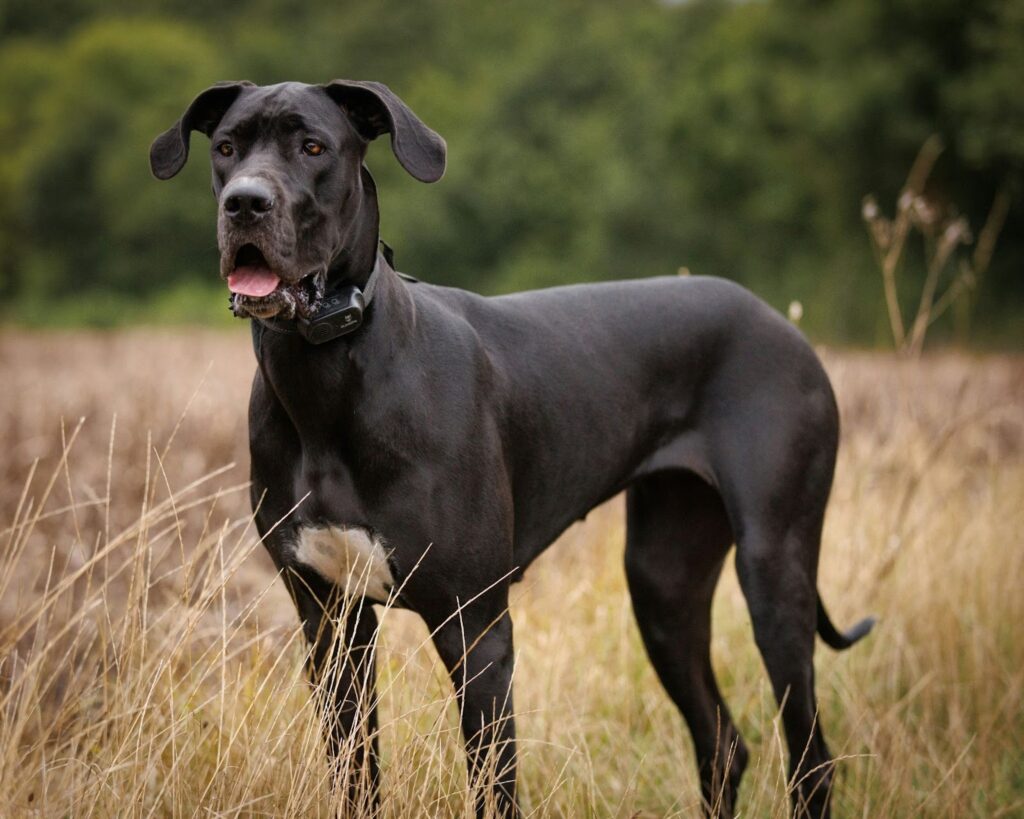
Great Danes are the friendly, loving giants of the canine kingdom. Despite their large stature, the Great Dane is one of the most popular breeds available due to their surprisingly gentle and caring nature. However, as with any other breed, the Great Dane has its own set of unique health concerns.
If you’re looking to welcome one of these big buddies into your life, it’s important to have a firm understanding of the breed’s health history. Below, we’ll share 5 of the most common Great Dane Health concerns.
1. Addison’s Disease in Great Danes
Addison’s disease occurs when the adrenal glands, located near the kidneys, fail to produce sufficient hormones like cortisol and aldosterone. These hormones are vital for regulating stress responses, metabolism, and electrolyte balance.
Large breeds may be at higher risk of endocrine disorders like Addison’s Disease due to hereditary factors. In Great Danes, this condition is relatively rare but potentially serious.
When hormone production falls, even minor stress or illness can trigger a crisis, known as an Addisonian crisis, which requires immediate medical attention.
Addison’s is sometimes called the “silent disease” because its symptoms can mimic less serious conditions, making awareness and early testing vital.
Key Symptoms:
- Unexplained lethargy or fatigue
- Loss of appetite or weight
- Vomiting or diarrhea
- Weakness during mild activity
Symptoms usually begin to appear in middle-aged dogs, around 4 to 7 years old, but some cases may develop earlier.
While Addison’s disease is not curable, hormone replacement therapy can regulate adrenal function and allow dogs to live full, active lives. Regular checkups and monitoring are critical for adjusting medication as your Great Dane ages.
2. Hip Dysplasia
Hip dysplasia is a condition in which the hip joint fails to develop correctly, leading to abnormal movement, cartilage wear, and, eventually, arthritis. For large breeds like Great Danes, the stress of supporting a heavy frame makes the hips particularly vulnerable. Even a slight misalignment can cause chronic pain if left unaddressed.
Signs often appear as early as 6 months, but symptoms may not become noticeable until 2 to 3 years old. Arthritis due to hip dysplasia usually manifests in middle age, sometimes surprising owners who thought their dog was healthy.
Symptoms to Watch For:
- Trouble standing or climbing stairs
- Swaying or bunny-hopping gait
- Reluctance to exercise or jump
- Limping after activity
Treatment ranges from surgery and stem cell therapy to physical therapy and joint supplements. Maintaining a healthy weight and engaging in low-impact exercise, such as swimming, can significantly improve mobility and quality of life.
3. Bloat (Gastric Dilatation-Volvulus)
Bloat, medically known as gastric dilatation-volvulus (GDV), is one of the most serious health threats to deep-chested dogs like Great Danes. Their deep, narrow chest and large size create more space for the stomach to expand, making them inherently more prone to GDV. The stomach fills with air, food, or fluid, sometimes twisting on itself and cutting off blood supply to vital organs. Without immediate intervention, bloat can be fatal. Even healthy dogs can suddenly develop bloat, particularly after large meals or vigorous activity.
Symptoms:
- Distended or swollen abdomen
- Anxiety or restlessness
- Attempting to vomit with no success
- Shortness of breath and lethargy
Prevention & Management:
- Feed smaller, frequent meals instead of one large meal
- Use a slow feeder to prevent rapid food intake
- Avoid rigorous exercise immediately after eating
- If your dog shows any signs of bloat, seek emergency veterinary care immediately. Early detection is key to survival.
4. Spinal Instability in Young Great Danes
Wobbler’s Syndrome, or cervical vertebral instability, affects the neck vertebrae, causing compression of the spinal cord. Great Danes are especially susceptible because of their long necks and large body size, which can strain the spine.
Symptoms usually appear in puppies or young adults, around 1 to 2 years old.
Symptoms:
- Unsteady or awkward gait
- Weakness in the limbs
- Reluctance to move or exercise
Although the condition is largely genetic, symptoms can be managed with pain medication, physical therapy, and, in severe cases, surgery. Choosing a reputable breeder who monitors the spinal health of parent dogs can reduce your puppy’s risk. Despite its intimidating name, many dogs with Wobbler’s Syndrome can lead happy, fulfilling lives with proper care and management.
5. Hypothyroidism: Hormonal Imbalance in Adult Great Danes
Hypothyroidism occurs when the thyroid gland underproduces hormones that regulate metabolism, leading to widespread physiological effects. Great Danes can inherit this condition from affected parents, underscoring the role of genetics.
Hypothyroidism typically appears in middle-aged Great Danes, between 4 and 8 years old.
Symptoms:
- Lethargy and low energy
- Hair loss or thinning coat
- Weight gain or changes in appetite
- Dry, flaky skin
Daily thyroid hormone replacement therapy under veterinary supervision can restore normal metabolic function and allow your Great Dane to lead an active, healthy life. Regular blood tests ensure the dosage remains appropriate as the dog ages.
Owning a Great Dane is an extraordinary experience filled with love, loyalty, and companionship. However, their large size and genetic predispositions make them prone to certain health conditions. Regular veterinary visits, a balanced diet, proper exercise, and early intervention are crucial to helping your Great Dane thrive. With the right care, your gentle giant can live a long, happy, and healthy life, delighting in all the adventures of family life.
Gallant’s Investigational Stem Cell Therapies
At Gallant, we are developing ready-to-use stem cell therapies for conditions where current treatment options may be limited. These therapies are designed to work with the body’s natural healing processes, addressing underlying causes rather than simply managing symptoms. By targeting immune regulation and cellular-level tissue repair, Gallant aims to support the body’s own regenerative potential.
Therapies in our pipeline progress through rigorous research, review, and clinical evaluation, advancing step by step toward regulatory standards for safety and quality before becoming commercially available. Administered in ways compatible with everyday veterinary practice, these investigational therapies are intended to provide veterinarians with new tools for managing conditions that currently have few effective treatment options.
Therapies that are not yet available for general use may be accessed through clinical trial participation, allowing pet owners and veterinarians to contribute to advancing regenerative veterinary medicine.
Join Clinical Trials and Restore Health at the Source
Clinical trials are currently underway for dogs with conditions such as canine osteoarthritis and canine atopic dermatitis. By enrolling your dog in a trial, you can participate in cutting-edge research while contributing to the development of new therapeutic options.