5 Common Italian Greyhound Health Concerns
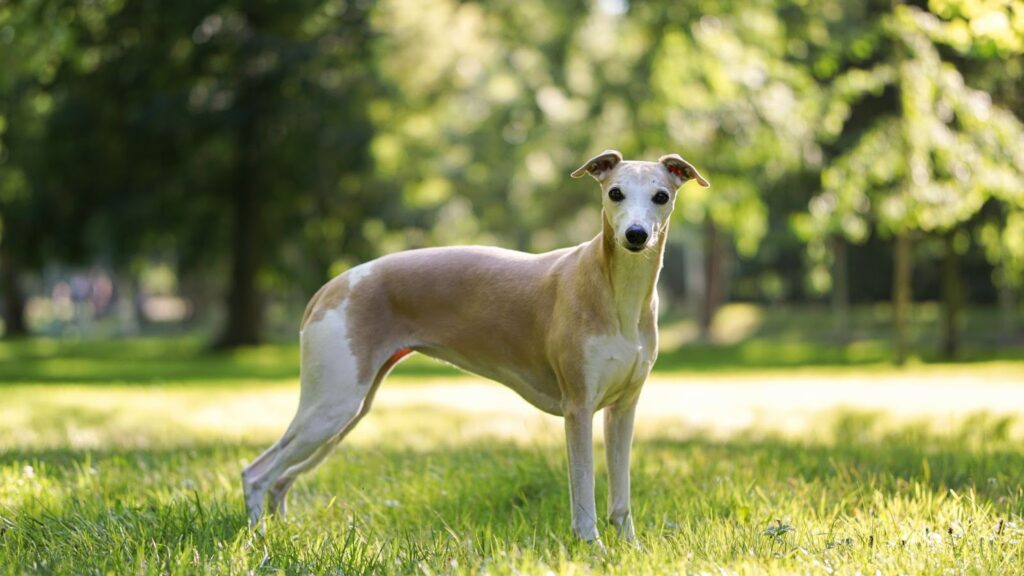
Italian Greyhounds, affectionately known as “Iggies”, are total cuddle bugs that want nothing more than to spend time with the ones they love. While they are generally long-lived—often reaching 14 to 15 years— being a responsible owner means understanding the Italian Greyhound’s health history and genetic predispositions.
Before bringing home one of these sweet, speedy friends, it’s key to know what to look for. Below are 5 common Italian Greyhound health issues and tips for being a prepared “pooch parent.”
1. Hypothyroidism in Italian Greyhounds
Hypothyroidism is a common endocrine disorder in Iggies characterized by the underproduction of hormones by the thyroid gland. Since this gland acts as the “thermostat” for a dog’s metabolism, a deficiency affects almost every bodily function.
Common symptoms of hypothyroidism in dogs may include:
- Hair thinning or hair loss
- Lethargy or low energy
- Unexplained weight gain
- Changes in appetite or thirst
- Cold intolerance
Because these symptoms can overlap with other conditions, thyroid disease in Italian Greyhounds can only be diagnosed through a full thyroid blood panel. It’s important to note that sighthounds often have lower “normal” thyroid levels than other breeds, so your vet should be familiar with breed-specific ranges.
Once diagnosed, dogs are typically managed with a daily thyroid hormone replacement medication, and their energy levels usually return to normal within weeks.
2. Von Willebrand’s Disease (vWD)
Von Willebrand’s Disease is a hereditary bleeding disorder that is particularly prevalent in Italian Greyhounds. It occurs when the blood lacks “Von Willebrand factor,” a specific protein that acts as the “glue” helping platelets form a clot.
An Iggy with vWD may appear perfectly healthy until they experience a minor injury, a broken nail, or a routine surgery. Without the ability to clot, they can suffer from prolonged, life-threatening hemorrhaging.
Signs of von Willebrand’s disease in dogs can include:
- Excessive bleeding from minor cuts or injuries
- Nosebleeds or bleeding gums
- Prolonged bleeding after surgery or dental procedures
Because symptoms may not appear until an injury occurs, von Willebrand’s disease can be difficult to diagnose without specific testing. If you are planning a spay or neuter, always request a vWD screening beforehand.
While there is no cure, veterinarians may recommend medications or special precautions to help manage bleeding risks. If your Italian Greyhound is injured, prompt veterinary attention is critical, as blood loss can escalate quickly.
3. Color Mutant Alopecia (Hair Loss & Skin Sensitivity)
Color mutant alopecia (CMA) is a genetic condition associated with coat color dilution, leading to intermittent hair loss and skin changes.
It is more commonly seen in breeds such as Italian Greyhounds with “dilute” coat colors, such as blue (grey), fawn, or charcoal. The same gene that produces those beautiful silvery-blue coats can make hair shafts brittle and prone to breakage.
This usually manifests as thinning hair or total hair loss along the back. It often begins between 6 months and 3 years of age. While the skin may become dry or scaly, it is primarily a cosmetic issue. Hair often does not regrow in affected areas, but many dogs remain otherwise healthy.
Because their skin is more exposed, these dogs are prone to sunburn and skin infections (folliculitis). Use moisturizing, pH-balanced shampoos and consider a “doggy sweater” during winter to protect their exposed skin.
4. Glaucoma in Italian Greyhounds
Glaucoma is a serious ocular condition caused by the buildup of fluid (aqueous humor) in the eye. When this fluid doesn’t drain properly, the resulting intraocular pressure can permanently damage the optic nerve. In Italian Greyhounds, glaucoma can be hereditary. It can strike suddenly, which is a veterinary emergency.
Signs of glaucoma in dogs may include:
- Eye redness or swelling
- Watery discharge
- Visible eye pain or squinting
- Lethargy or behavior changes
- Cloudiness of the eye
Treatment often includes daily medications to manage pain and pressure, and in certain cases, surgical intervention may be recommended.
5. Cryptorchidism
Monorchidism is a genetic condition in which one testicle fails to descend into the scrotum during development. In the Italian Greyhound, this is usually identified during the first few months of puppyhood.
The undescended testicle typically remains in the abdomen or the inguinal canal. Because the internal body temperature is higher than the scrotum, these retained testicles have a significantly higher risk of becoming cancerous.
Possible signs include:
- Persistent licking of the genital area
- Behavioral changes
- Visible asymmetry of the scrotum
The standard treatment is a surgical neuter to remove both the descended and the undescended testicle. This eliminates the risk of testicular cancer and prevents the trait from being passed on to future generations.
Proactive Care for Your Italian Greyhound
Despite these potential hurdles, Italian Greyhounds are remarkably resilient and long-lived companions. Regular veterinary checkups, early screening for inherited conditions, and proactive health management can help support your Italian Greyhound’s long-term comfort and quality of life.
Stay Informed on Pet Health & Innovation in Regenerative Medicine
Subscribe to get updates on the latest breakthroughs in regenerative medicine and stem cell therapies for pets.