5 Common Old English Sheepdog Health Concerns
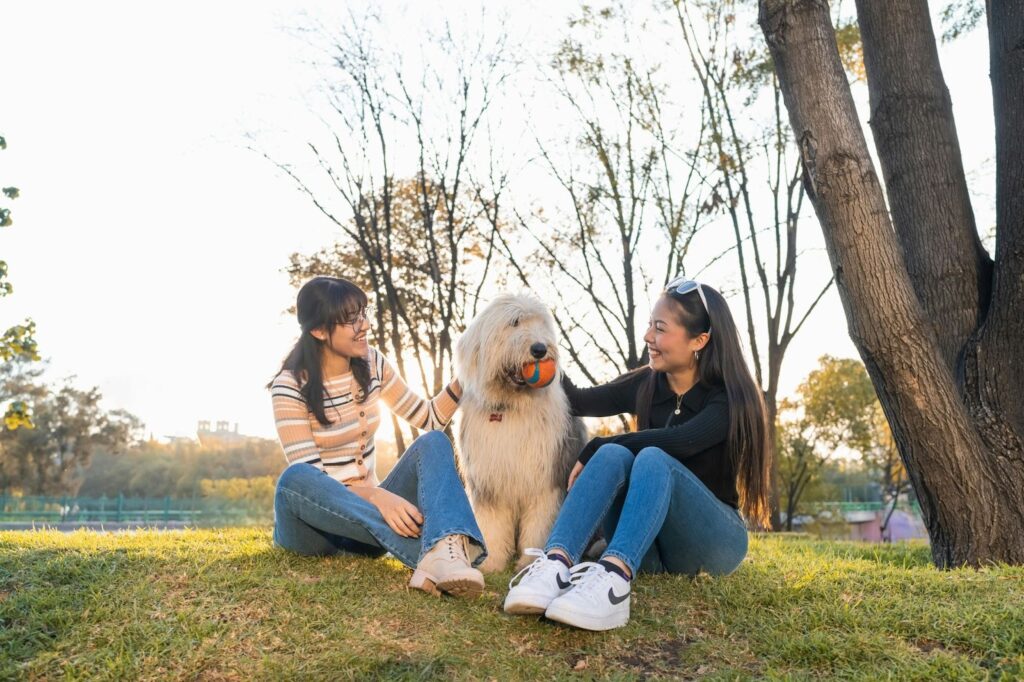
Old English Sheepdogs are famous for their shaggy coats, gentle temperaments, and clownish personalities. These loyal, family-friendly dogs are playful with children, protective of their homes, and always eager to please.
But behind those big hearts and fluffy haircuts, the Old English Sheepdog breed is prone to certain health issues that pet parents should be aware of. Understanding these conditions can help you take proactive steps to keep your pup happy and healthy for years to come.
In this guide, we’ll cover the five most common Old English Sheepdog health problems, their warning signs, and what you can do to help prevent or manage them.
The Hidden Danger of Bloat
If there’s one condition every large-dog owner should know about, it’s gastric torsion, more often called bloat. It can strike suddenly, and when it does, it’s an emergency.
Bloat happens when a dog’s stomach fills with air and twists on itself, cutting off blood flow to vital organs. It’s most common in deep-chested breeds like Old English Sheepdogs.
Watch for these signs of bloat:
- Swollen or hard abdomen
- Restlessness or pacing
- Unproductive retching or attempts to vomit
- Excessive drooling or panting
No one knows exactly what triggers it, but how your dog eats plays a role. Feeding smaller, more frequent meals and using a slow-feeder bowl can help reduce the risk. You don’t have to live in fear—just be alert. If your dog ever shows sudden discomfort or restlessness after eating, head to the vet immediately.
Cataracts and Vision Changes
Look into an Old English Sheepdog’s eyes and you’ll see warmth, humor, and loyalty. But sometimes, a milky haze can creep across the lens—a sign of cataracts.
This clouding of the eye is often inherited, though diabetes or age can also play a role.
Common signs include:
- Cloudy or bluish-white pupils
- Bumping into furniture or having difficulty seeing in dim light
- Hesitation to move in unfamiliar environments
The good news? Many cataracts are treatable with surgery. Even if vision loss progresses, most dogs adapt beautifully—using smell, sound, and routine to navigate the world. Regular veterinary eye exams can help catch early changes and keep your dog comfortable.
Cerebellar Ataxia in Old English Sheepdog
If your Sheepdog starts moving differently—stumbling, swaying, or tilting their head—it may be more than clumsiness. These are sometimes signs of cerebellar ataxia, a neurological disorder that affects balance and coordination.
Possible symptoms:
- Wobbly or unsteady gait
- Head tremors or tilting
- Difficulty judging distance
- Trouble standing or walking on smooth surfaces
In some cases, ataxia is inherited; in others, it’s a symptom of another condition. While there’s no cure, supportive care such as physical therapy, environmental adjustments, and regular monitoring can make a big difference.
The Heavyweight Problem: Hip Dysplasia
Old English Sheepdogs were bred for endurance—herding sheep, guarding pastures, and covering long distances. But their strong build can come with one major weakness: hip dysplasia.
This genetic condition affects the development of the hip joint, leading to pain, stiffness, and joint degeneration.
Signs to watch for:
- Difficulty standing or climbing stairs
- Hesitation to jump or run
- Limping or “bunny-hop” gait
- Reduced activity or stiffness after rest
While hip dysplasia can’t be reversed, it can be managed. Keeping your dog lean and active, providing joint supplements, and engaging in low-impact exercise, such as swimming or walking on soft ground, can help maintain mobility.
Deafness in Old English Sheepdog
Hearing loss often sneaks up slowly. You might notice your dog doesn’t come when called or startles easily when touched. For some Old English Sheepdogs, deafness is inherited; for others, it’s simply part of aging.
Signs of hearing loss:
- No response to familiar sounds or commands
- Startling when approached from behind
- Excessive barking or changes in vocalization
Deaf dogs can still live full, joyful lives—they just need a little help from their humans. Use hand signals, gentle vibrations, and visual cues for communication. What matters most is consistency and patience.
After all, love doesn’t need to be heard to be understood.
Supporting Your Old English Sheepdog’s Health
Like all purebred dogs, the Old English Sheepdog requires routine veterinary care, balanced nutrition, and preventive screening for inherited conditions. Regular checkups can make a world of difference in catching issues early and extending your companion’s lifespan.
If you’re interested in emerging treatments that go beyond symptom management, Gallant is advancing stem cell therapy research to support dogs with chronic inflammatory and degenerative conditions such as osteoarthritis and atopic dermatitis.
Learn How Stem Cells Are Shaping Pet Care
Gallant is pioneering ready-to-use regenerative therapies that may change how we treat diseases in dogs and cats.