6 Common Bernese Mountain Dog Health Concerns
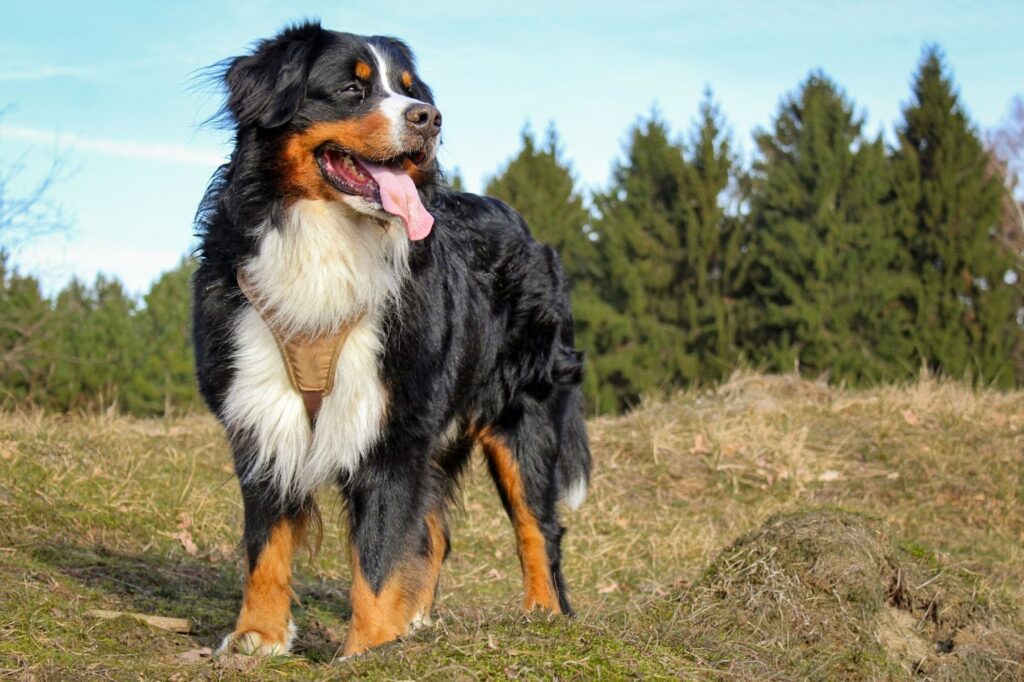
Bernese Mountain Dogs are one of those breeds you can fall in love with instantly. Their gentle expression, calm temperament, and big, affectionate personalities make them unforgettable. It’s no surprise so many families dream of bringing home a “Berner.” But before you commit to one of these lovable giants, it helps to understand what life with this breed really looks like. Not just their sweetness and loyalty, but also the health challenges that tend to come with them.
Like many large, purebred dogs, Berners are prone to a few medical conditions that are more common in their breed than in others. Knowing what these conditions are, why they happen, and the early signs to watch for can help you prepare, ask good questions when choosing a puppy, and give your future dog the healthiest start possible.
Hypothyroidism
Bernese Mountain Dogs have a higher risk of developing hypothyroidism, a condition where the thyroid gland does not produce enough hormones to regulate metabolism. This hormonal imbalance often develops gradually, and many owners overlook early signs.
Common symptoms of hypothyroidism in dogs include:
- Lethargy or low energy
- Weight gain despite normal appetite
- Hair loss or thinning coat
- Dry skin or recurrent skin infections
- Irregular heat cycles in females
Because these signs can mimic other health issues, veterinarians confirm the diagnosis through a thyroid panel blood test. Treatment typically involves daily thyroid hormone replacement, which most dogs respond to very quickly. Many show higher energy levels, improved coat quality, and better overall comfort within weeks.
Food Allergies
Bernese Mountain Dogs are also prone to gastrointestinal issues, ranging from chronic food sensitivities to life-threatening bloat.
Food allergies can cause ongoing stomach upset, vomiting, diarrhea, itching, or recurrent ear infections. Because many GI issues share similar symptoms, veterinarians may recommend:
- A diet elimination trial
- Prescription gastrointestinal diets
- Allergy testing
- Probiotic support
Identifying the trigger food takes time, but early intervention often leads to much better long-term management.
Bloat / Gastric Dilatation-Volvulus (GDV)
Large, deep-chested breeds like the Bernese Mountain Dog also have an increased risk of bloat, where the stomach fills with gas and sometimes twists. This condition requires immediate emergency care.
Common early signs of bloat include:
- Pacing or restlessness
- Swollen or tight abdomen
- Non-productive retching (trying to vomit but nothing comes out)
- Sudden collapse
Feeding smaller meals, using slow-feed bowls, and avoiding exercise right before or after eating may help reduce risk.
Cancer (Especially Histiocytosis)
Unfortunately, cancer is one of the leading health concerns in Bernese Mountain Dogs. This breed is particularly prone to histiocytic sarcoma, a cancer originating from immune cells called histiocytes. It often progresses quickly and may affect the spleen, lungs, skin, or lymph nodes.
Symptoms vary depending on where the cancer develops, but may include:
- Lethargy
- Weight loss
- Loss of appetite
- Limping or lameness
- Masses or swelling
Because histiocytosis has a strong hereditary component, finding a reputable breeder who performs regular health screening is one of the most important preventative steps. While chemotherapy may help extend survival time, there is currently no cure for this specific cancer subtype.
Progressive Retinal Atrophy (PRA)
Progressive Retinal Atrophy is an inherited eye disease that affects the photoreceptor cells responsible for vision. As these cells deteriorate, dogs first lose their ability to see in low light, and eventually lose daytime vision as well.
Owners may notice:
- Difficulty navigating in dim lighting
- Bumping into furniture
- Increased hesitation in unfamiliar environments
Because PRA is genetic and cannot be reversed, the focus is on early detection and management. Most dogs adapt surprisingly well by relying more on their hearing and sense of smell. Selecting a puppy from parents who have been screened for PRA significantly reduces the risk.
Hip Dysplasia
Hip dysplasia is one of the most frequent orthopedic issues seen in Bernese Mountain Dogs. This condition occurs when the hip joint does not develop correctly, causing looseness in the joint. Over time, this abnormal movement leads to arthritis, stiffness, decreased mobility, and chronic pain.
Several factors contribute to hip dysplasia, including:
- Genetic predisposition
- Rapid puppy growth
- Being overweight
- High-impact activity during puppyhood
- Nutritional imbalances during development
Because hip dysplasia commonly leads to canine osteoarthritis, many dogs show symptoms such as:
- Difficulty rising
- Decreased interest in running or climbing stairs
- A “bunny-hopping” gait
- Hind-end weakness
Treatment varies depending on severity. Many dogs benefit from physical therapy, controlled exercise, joint supplements, and anti-inflammatory medications. In advanced cases, surgery may be recommended.
At Gallant, our studies are focused on how stem cells may help ease inflammation, promote healthier joint function, and support mobility over time. While research is ongoing, our goal is to better understand how regenerative therapies could complement existing care plans for dogs living with osteoarthritis.
Discover How Stem Cell Therapy Could Help Your Pet Recover Faster
Cutting-edge stem cell therapies are revolutionizing how we approach pet healthcare, offering new hope for healing and regeneration.