8 Things You Absolutely Need to Have Before You Get a Dog
Decided to get a dog? Congratulations! Whether you’re adopting a puppy or welcoming an adult rescue dog into your home, bringing a dog into your life is one of the most incredible experiences. But before you bring your new furry family member home, proper preparation is essential.
Before you settle on the perfect pooch, you’ll want to doggy-proof your home, schedule an examination with a vet, and stock up on supplies.
Which supplies do you really need before you welcome your new companion home? First-time dog owners might feel a little overwhelmed by the sheer number of pet products available. This checklist covers the absolute essentials, the must-have items you need before your dog arrives.
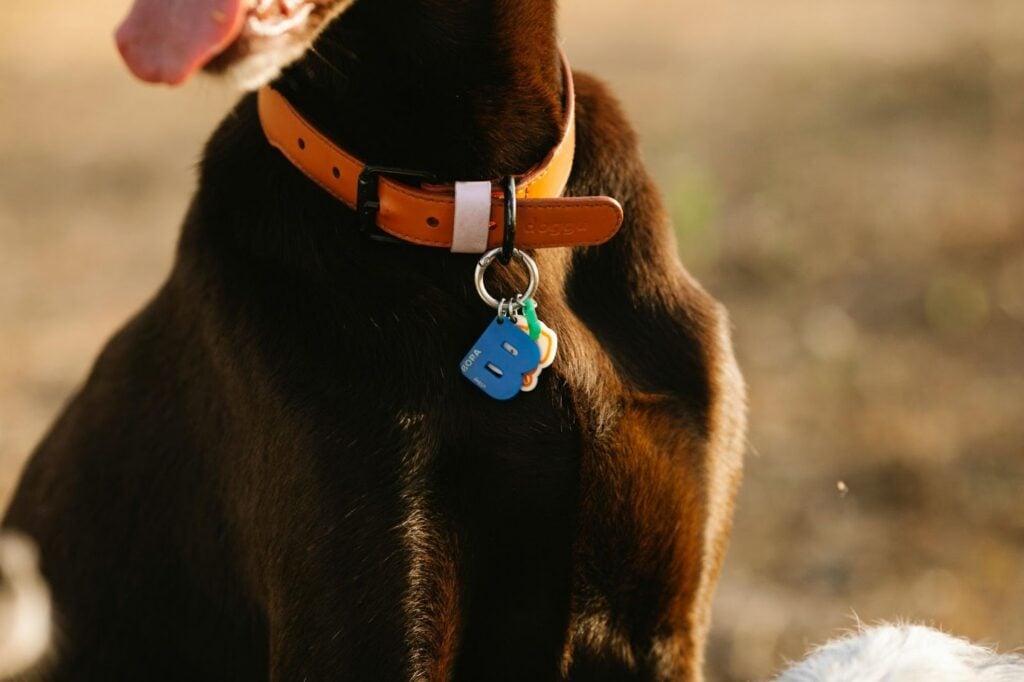
1. Dog Collar or Harness with ID Tag
When choosing walking gear for your dog, many pet owners wonder whether a collar or a harness is the better option. The best choice really depends on your dog’s size, breed, how they behave on a leash, and if they have any health issues. Here’s a quick breakdown to help you decide:
Collars are ideal for:
- Dogs that walk calmly on a leash
- Attaching ID tags and vaccination records
- Every day wear around the house
Harnesses are better for:
- Dogs who pull on walks (prevent neck and trachea injury)
- Small breed dogs or puppies with delicate necks
- Brachycephalic breeds (pugs, bulldogs) who might have breathing issues
- Dogs with neck or spine problems
The single most important item your dog will ever wear is an identification tag. Even if your dog is microchipped, a visible ID tag is the fastest way for a neighbor to return your pet if they get lost.
Your dog’s identification tag should include:
- Your dog’s name
- Your primary phone number
- A backup phone number
- Consider adding “I’m microchipped” if applicable
2. A Durable Leash
With hundreds of leash options available, focus on these key features: strength, durability, and ease of use.
Standard 6-Foot Leash:
- Best for training and strolls around the neighborhood
- Gives you good control while allowing some freedom
- Available in various materials like nylon, leather, or rope
Retractable Leash:
- Great for open spaces like parks or hiking trails
- Allows 15-30 feet of roaming distance
- Look for models with reliable locking mechanisms
- Not recommended for training or crowded areas
Traffic Leash (Short Leash):
- Usually 1-2 feet long, giving you tight control
- Perfect for navigating busy streets or vet visits
For most dogs, a standard 6-foot leash is ideal for everyday use. Just make sure the leash clasp clips securely into your dog’s harness or collar and can withstand your dog’s strength—especially if you have a medium or large breed.
3. The Right Crate for Training and Safety
Even if you don’t plan to crate train, a dog crate is a useful item to have anyway! Crates can provide a safe, enclosed space during travel, recovery from illness, or when supervision isn’t possible.
To pick the perfect crate size for your dog, your dog should be able to:
- Stand up without hitting her head
- Turn around completely
- Lie down comfortably and stretch out
We recommend adjustable wire crates with removable dividers. They’ll grow with your puppy, saving you from having to buy multiple crates. Also, look for models with removable bottom trays for easy cleaning.
Popular crate sizes:
- Small (24″): Dogs up to 25 lbs (Beagles, Cocker Spaniels)
- Medium (30″): Dogs 26-40 lbs (Border Collies, Bulldogs)
- Large (36″): Dogs 41-70 lbs (Retrievers, German Shepherds)
- Extra Large (42″+): Dogs 71+ lbs (Great Danes, Mastiffs)
4. A Comfortable, Washable Dog Bed
Did you know dogs can sleep anywhere from 12 to 16 hours a day? They deserve their own comfy, designated spot for rest—even if they eventually sneak onto your bed at night.
Key features of a great dog bed:
- Washable, removable cover
- Non-slip bottom to prevent sliding
- Appropriate size (measure your dog from nose to tail and add 6-12 inches)
- Easy to clean materials
For puppies, we recommend starting with a less expensive bed, as they’re prone to chewing and accidents. Once they’re fully trained, you can upgrade to a nicer orthopedic bed.
5. Dog Food and Water Bowls
Your dog needs dedicated food and water bowls, and the material matters more than you might think.
Forget the plastic ones. They’re germy breeding grounds and can actually be toxic if your dogs chew on them (hello, chin acne!).
Stainless Steel (Best Choice):
- Doesn’t harbor bacteria like plastic
- Won’t break like ceramic
- Dishwasher safe
- Durable and rust-resistant
- No risk of chemicals leaching into food or water
Ceramic:
- Heavy (won’t slide around)
- Attractive for home décor
- Can chip or crack
- Ensure it’s lead-free and food-safe
Special Considerations:
For large dogs or deep-chested breeds: Elevated bowls can improve comfort and may help prevent bloat.
For fast eaters: Slow-feeder bowls with ridges or obstacles can prevent gulping and reduce digestive issues
Water bowl placement: Leave fresh water available at all times. Pick up the food bowl after meals, but water should always be accessible.
A dog needs at least two bowls—one for food and one for water. Consider having multiple water bowls in different locations if you have a large home or multiple floors.

6. High-Quality Dog Food
Choosing the right food is one of the most important decisions you’ll make for your dog’s health and longevity.
If you are bringing home a puppy, remember that they have different nutritional requirements than adult dogs. Consult your veterinarian to determine if a grain-free, high-protein, or breed-specific diet is right for your pet.
Talk to your veterinarian about:
- Puppy vs. adult vs. senior formulas
- Dry food (kibble) vs. wet food vs. raw diets
- Grain-free vs. grain-inclusive formulas
- Breed-specific or size-specific formulations
- Food allergies or sensitivities
FAQ:
- How much should I feed my dog?
Follow the feeding guidelines on your chosen food, but remember these are starting points. Your vet can help you adjust portions based on your dog’s age, activity level, and body condition.
- What’s the best dog food for puppies?
Look for foods labeled “complete and balanced for all life stages” or specifically formulated for puppies. Puppies need more calories, protein, and specific nutrients than adult dogs.
- When should I switch from puppy food to adult food?
Most dogs transition around 12 months, but large breeds may need puppy food until 18-24 months. Consult your vet for personalized timing.
7. Grooming Supplies for Dogs
Your grooming toolkit depends heavily on your dog’s breed, coat type, and size, but every dog owner needs these basics:
- Pet-safe nail clippers or grinders
- A brush or de-shedding tool
- Dog-specific shampoo and conditioner
- Dog toothbrush and toothpaste (start dental care early!)
Regular grooming helps maintain your dog’s skin, coat, and nail health:
Nail trimming: Every 3-4 weeks (or when you hear clicking on floors)
Brushing:
- Short coats: Weekly
- Medium coats: 2-3 times per week
- Long coats or shedding breeds: Daily
Bathing: Monthly or as needed (too frequent can dry out skin)
Dental care: Daily brushing is ideal, but even 2-3 times per week helps
Professional grooming: Every 4-8 weeks for breeds requiring haircuts
8. Dog Toys for Mental Stimulation and Enrichment
Your dog needs toys for much more than just a good time! They are a necessity for canine mental health. Interactive toys can prevent destructive chewing and act as “security blankets” for a nervous new dog.
Best types of dog toys for new dogs:
- Durable rubber toys
- Nylon bones
- Natural options like bully sticks
- Essential for teething puppies
- Interactive toys
- Puzzle toys with hidden treats
- Treat-dispensing balls
- Snuffle mats
- Keep dogs mentally engaged
- Fetch toys
- Tennis balls (watch for aggressive chewers who might swallow pieces)
- Frisbees
- Rope toys for tug-of-war
- Comfort toys
- Soft, plush toys
- Toys with squeakers
- Toys that smell like you
Aim for toys that are easy to clean, won’t fall apart instantly, and can be replaced if lost. Start with 4-6 toys of various types, and rotate them weekly to keep your dog interested. Puppies and high-energy dogs may need more variety.
Setting Your New Dog Up for Success
First things first: set a budget. You can expect the initial supplies cost to be anywhere from $200 to $500, depending on quality and your dog’s size. Remember, this is just the beginning—food, vet care, grooming, and other ongoing expenses add up quickly.
Purchase everything at least a few days before bringing your dog home.
But the most important thing you can bring to this new journey is patience. Your new dog needs time to adjust to her surroundings, learn house rules, and bond with you. Having the right supplies is important, but your time, attention, and unconditional love matter most.
Stay Ahead in Pet Care
Subscribe for thoughtful updates on clinical trials, product development, and the future of regenerative pet care.