What to Do If Your Dog Broke a Tooth
Dogs use their teeth the way we use our hands—chewing toys, carrying objects, tugging, exploring, and sometimes even trying to “open” things they shouldn’t. Because their teeth take on so much daily wear, it’s not unusual for a dog to chip, crack, or fully fracture a tooth.
Molars, premolars, and canine “fang” teeth are especially prone to breakage.
Some dogs yelp or pull away when a fracture occurs, while others show almost no reaction, especially if the break doesn’t expose the sensitive inner structures. But when a dog’s tooth breaks severely, the pain can be intense, and infection can develop quickly. Knowing what to do in the first two hours can make a meaningful difference for your dog’s comfort and long-term dental health.
First Step Is to Call Your Vet
As soon as you notice a broken tooth, the most important step is to call your vet right away. Even a small fracture can expose the living tissue inside the tooth, allowing bacteria to enter and increasing the risk of infection or abscess formation.
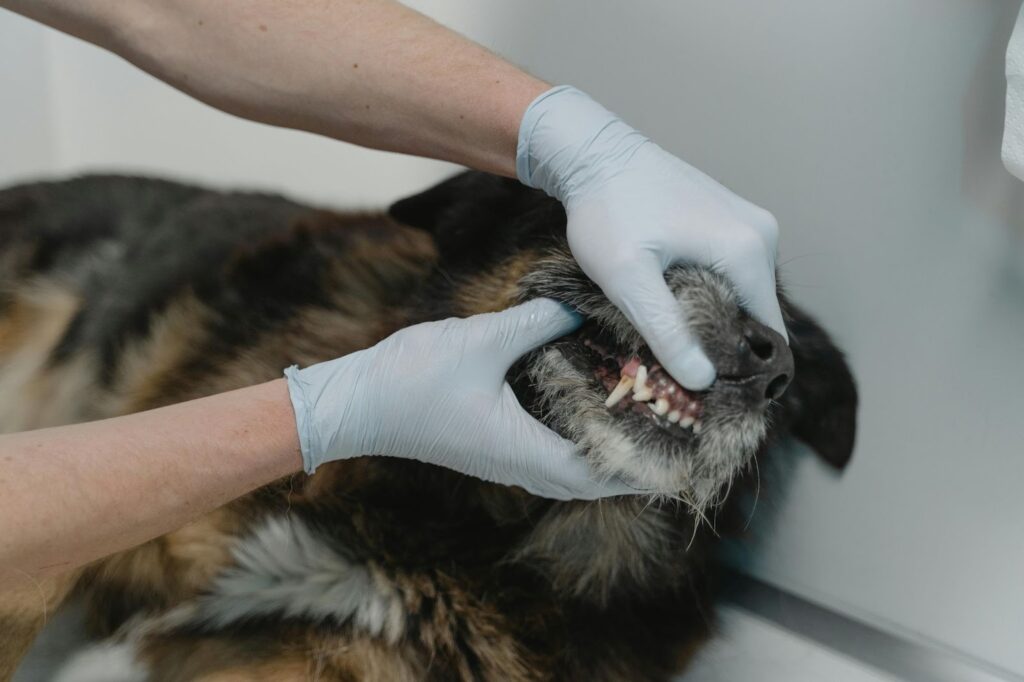
Your veterinarian may recommend coming in for a dental exam, X-rays, or immediate pain relief. In some cases, especially if the fracture is minor, they may be able to protect the tooth with a cap or crown. More significant fractures may require extraction or other dental procedures to prevent ongoing discomfort.
If you’re unsure whether a break is serious, still call. Broken dog teeth often look less concerning on the outside than they are internally.
Important signs to mention during the call:
- bleeding from the mouth
- sudden drooling
- pawing at the face
- refusing food
- visible tooth fragments
How to Reduce Pain and Stress After a Dog Tooth Fracture
While you’re waiting for your appointment, your priority is to minimize pain and stress. Broken teeth can expose sensitive nerves, and even normal chewing or drinking can hurt.
Helpful things you can do:
- Offer fresh water, but avoid very hot or very cold temperatures that may trigger discomfort.
- Switch to soft or wet food to prevent painful chewing.
- Keep your dog calm and close; stress can make pain feel more intense.
- Ask your vet whether they can prescribe interim pain relief if your dog seems uncomfortable.
Avoid giving any human pain medications, as many are toxic to dogs. Stick to gentle comfort, affection, and a quiet environment while your dog waits for treatment.
How to Prevent More Damage After a Dog’s Tooth Breaks
Once your dog is stable and comfortable, the next step is preventing further injury. Dogs often break their teeth on things that are simply too hard for safe chewing.
Common culprits include:
- real bones
- antlers
- rocks
- hard nylon toys
- thick rawhide
- crate bars or fence posts
If you know what caused the break, remove the object to prevent your dog from returning to it. For habitual chewers, ask your vet or a certified trainer about safer alternatives and ways to redirect chewing behaviors.
Dogs with outdoor freedom may also need closer supervision, especially if they tend to pick up rocks, sticks, or other objects that can put their teeth at risk.
Helping Your Dog Recover From a Broken Tooth
Most broken dog teeth can be successfully treated once a veterinarian has examined the fracture. Depending on the damage, they may recommend smoothing and sealing small chips, performing a root canal, or removing the tooth if the inner pulp is exposed.
With the right procedure, dogs recover quickly and adapt remarkably well. Many eat, play, and act completely normally even after losing a tooth. Proper treatment not only relieves pain but also prevents long-term infection, helping your dog stay healthy and comfortable for years to come.
Discover What’s Next for Pets
Curious about how science is changing treatment for dogs and cats? Learn how stem cell therapies are moving from research to reality.