Dog Overheating Symptoms & First Aid
Overheating in dogs happens when they can’t shed heat fast enough to keep their body temperature stable.
Humans cool down mainly by sweating, because evaporation carries heat away from the skin; dogs don’t sweat the same way, so they rely mostly on panting and limited heat loss through their paw pads. What starts as a little extra panting can quickly turn into a dangerous case of heat exhaustion or even heat stroke.
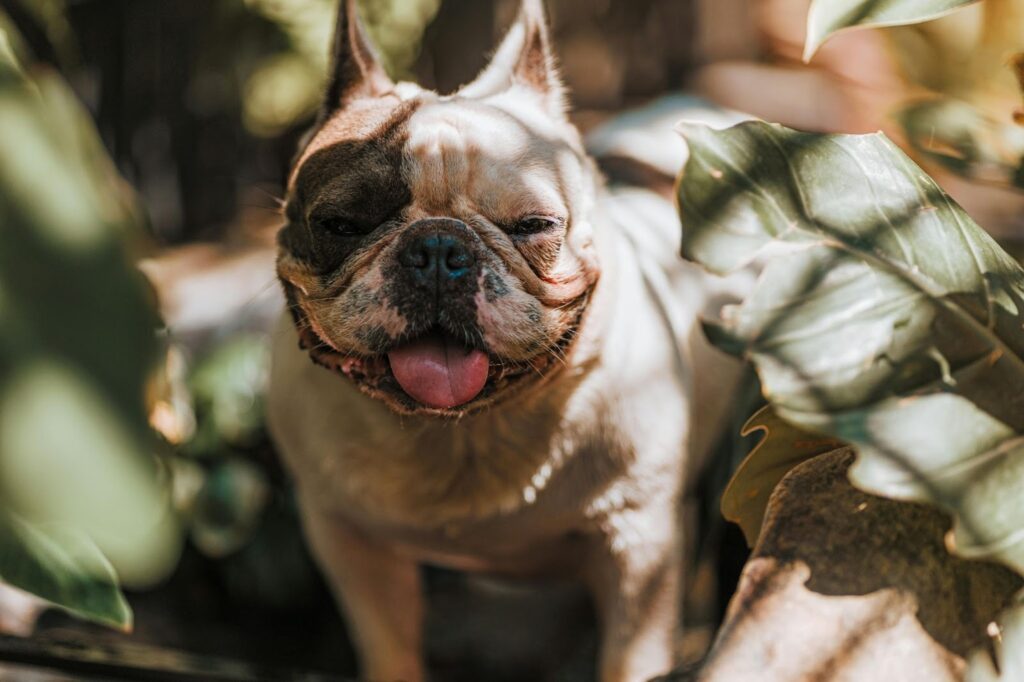
Dogs feel hot weather far more intensely than we do. Once outdoor temperatures climb above 75°F (24°C), your dog’s core body temperature can rise fast, especially during exercise or if they’re in direct sunlight. Certain breeds (like Bulldogs, Pugs, or Boxers), senior dogs, and overweight pets are more prone to heat stress and heat stroke.
Here’s what to do immediately if you think your dog might be overheating.
0–15 Minutes: Recognize the Signs of Overheating
Catching the signs of heat exhaustion in dogs early can make all the difference. Heat stroke doesn’t happen instantly—it builds up gradually, and quick action can stop it before it becomes life-threatening.
Common signs your dog is overheating include:
- Excessive panting or drooling
- Rapid or erratic heartbeat
- Pale, dry, or sticky gums
- Vomiting or diarrhea
- Lethargy, confusion, or staggering
- Rectal temperature above 103°F (39.5°C)
If you notice these symptoms, start cooling your dog immediately. Even mild overheating can escalate quickly.
15–30 Minutes: Take Action Fast
If your dog is showing symptoms of heat stroke, act quickly but carefully to cool them down.
1. Move to a cooler area.
Get your dog into the shade, an air-conditioned room, or a car with the A/C running.
2. Apply cool (not cold) water.
Use cool—not icy—water to gently wet your dog. Soak towels and place them on the neck, chest, armpits, and between the legs—these are key cooling zones. Do not submerge your dog in ice water, as this can constrict blood vessels and make cooling less effective.
3. Offer small amounts of water.
Provide fresh, cool water for drinking, but don’t force it. If your dog refuses, try dripping a few drops onto their tongue. Avoid giving ice cubes or very cold water, it can shock the system.
4. Call your veterinarian.
Even if your dog starts improving, call your vet for advice. Heat stroke in dogs can cause internal damage that isn’t immediately visible.
30 Minutes–2 Hours: Get to the Vet
If your dog’s temperature stays above 103°F, they’re refusing water, or showing confusion, weakness, or vomiting, get them to a vet as soon as possible.
Severe overheating can cause seizures, heart arrhythmias, breathing difficulties or even organ failure. Heat stroke can be deadly, and it can happen suddenly once your dog’s temperature reaches a certain point and his body begins to malfunction.
Your veterinarian may need to stabilize body temperature, restore electrolytes and hydration, administer oxygen or place a breathing tube. When possible, call the vet clinic ahead of time to let them know you’re on your way.
How to Prevent Your Dog from Overheating
The best treatment for heat stroke in dogs is prevention. Follow these vet-approved tips to keep your dog safe when temperatures climb:
- Keep your dog indoors or in a climate-controlled area when the temperature is above 75°F (24°C).
- Avoid midday walks or runs; exercise early in the morning or late evening.
- Always provide plenty of cool, fresh water and access to shade.
- Never, ever leave your dog in a parked car—even for a few minutes.
- Learn your dog’s limits: brachycephalic (flat-faced) breeds and overweight dogs are at higher risk of heat stroke.
Be Part of the Future of Pet Care
Join our community of pet parents and veterinarians exploring the next generation of treatments powered by regenerative science.