How Painful Is Gingivostomatitis for Cats?
Key Takeaways:
- Gingivostomatitis is one of the most painful oral conditions in cats.
- Pain is caused by widespread inflammation and ulceration throughout the mouth.
- Cats often hide discomfort, showing pain through subtle eating and behavior changes.
- Tooth extractions are the most effective treatment for long-term pain relief.
- Early diagnosis and treatment greatly improve a cat’s comfort and quality of life.
How Painful Is Gingivostomatitis for Cats?
Feline gingivostomatitis is considered one of the most painful oral conditions affecting cats. Yet many pet parents don’t realize how much discomfort their cat is experiencing until the disease is advanced. Cats instinctively hide pain, which means even severe inflammation may go unnoticed until eating, grooming, or social behavior changes dramatically.
Understanding the pain associated with gingivostomatitis—and how to recognize it—can help you take action early and improve your cat’s comfort and quality of life.
Why Gingivostomatitis Is So Painful
Gingivostomatitis involves intense, widespread inflammation throughout the mouth, making it uniquely painful compared to other oral conditions.
Severe and Diffuse Inflammation
Unlike localized gingivitis, gingivostomatitis causes inflammation in multiple sensitive areas:
- Gumline
- Cheek tissues
- Tongue
- Back of the mouth
- Soft palate
Even light contact—food, grooming, or opening the mouth—can trigger severe pain.
Ulcers That Expose Nerve Endings
Many cats develop:
- Raw, ulcerated tissue
- Open lesions
- Bleeding areas in the oral cavity
These ulcers can expose nerve endings, making the mouth extremely tender. Eating dry food or even swallowing saliva can be painful.
An Overactive Immune Response
A major contributor to pain is the immune system overreacting to oral bacteria and viruses such as feline calicivirus (FCV). This exaggerated response leads to:
- Inflammation
- Redness
- Sensitivity
- Tissue ulceration
- Oral mass formation that can look similar in size and appearance to a tumor
This immune-driven inflammation may continue even after dental cleanings or antibiotics—one reason long-term therapies are sometimes needed.
How Cats Show Pain (Even When They’re Hiding It)
Cats rarely vocalize when they’re hurting. Instead, they express discomfort through changes in behavior, posture, and daily habits.
Subtle Signs of Oral Pain
These early signs are often mistaken for “being picky” or “slowing down”:
- Approaching food bowls but hesitating to eat
- Dropping kibble from the mouth
- Chewing only on one side
- Eating more slowly than usual
- Preferring wet food over dry food
If your cat stops eating food they once loved, pain may be the cause.
Visible Signs
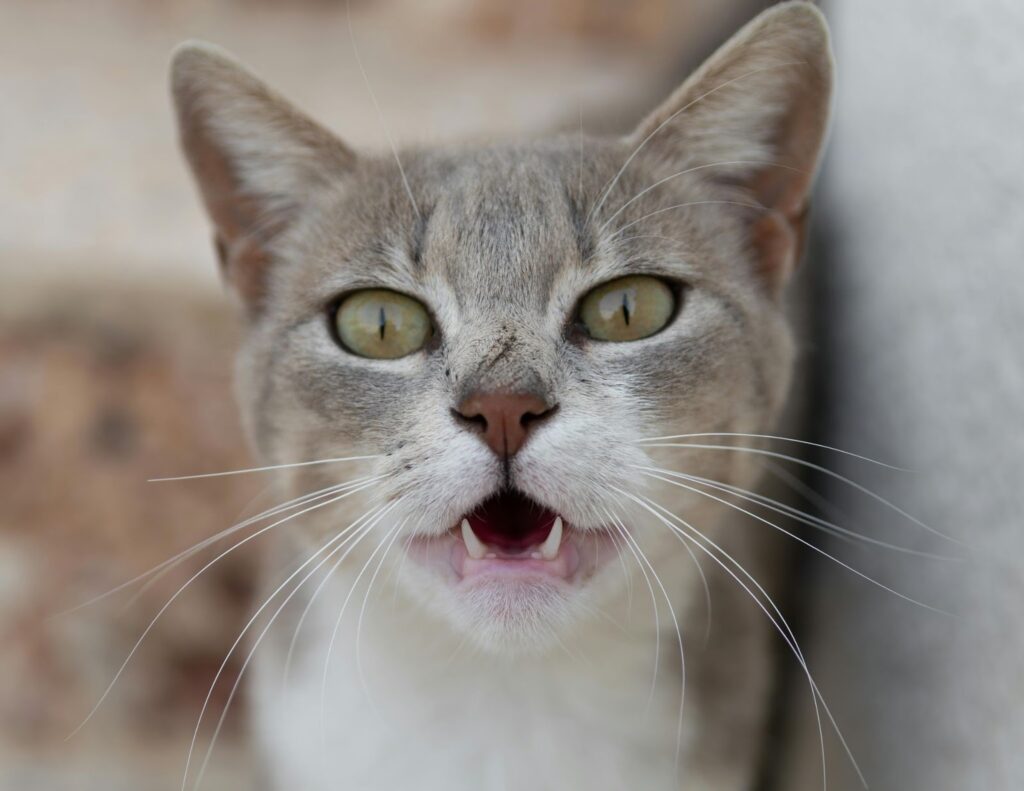
- Red, swollen, or bleeding gums
- Excessive drooling (sometimes bloody)
- Pawing at the mouth
- Thick or ropey saliva
In severe cases, cats may cry while eating or run away from the bowl.
Behavioral Signs of Distress
Chronic pain affects mood and energy levels. You may notice:
- Hiding or avoiding interaction
- Irritability or sensitivity to touch
- Decreased grooming
- Weight loss
- Sleeping more than usual
A normally affectionate cat may suddenly prefer solitude—a classic sign of discomfort.
How Veterinarians Assess Pain in Cats
Because cats mask pain so well, veterinarians use a combination of:
- Oral examination (often under sedation due to sensitivity)
- Dental X-rays
- Visual inspection for ulcers and tissue swelling
- Behavioral observations
- Pain scoring systems for cats (e.g., feline grimace scale)
A sedated exam allows the vet to fully evaluate problem areas without putting the cat through unnecessary distress.
How Painful Is It Compared to Other Conditions?
Veterinary dentists consistently rank gingivostomatitis as:
- More painful than moderate dental disease
- Often more painful than fractured teeth
- Comparable to severe mouth ulcers or infections
- Significantly more painful than routine gingivitis
Because inflammation is diffuse—not localized—the overall discomfort level is extremely high.
Many cats live with this pain for months or years before diagnosis, making early intervention critical.
Treatment Options That Help Reduce Pain
Managing gingivostomatitis pain involves reducing inflammation, addressing underlying triggers, and restoring comfort as quickly as possible.
Dental Cleaning
A thorough dental cleaning removes plaque and tartar—the triggers for the immune system. Many cats feel temporary relief once inflammation is reduced.
Full or Partial Extractions
Removing teeth is often the most effective pain-relieving treatment. Success rates are high:
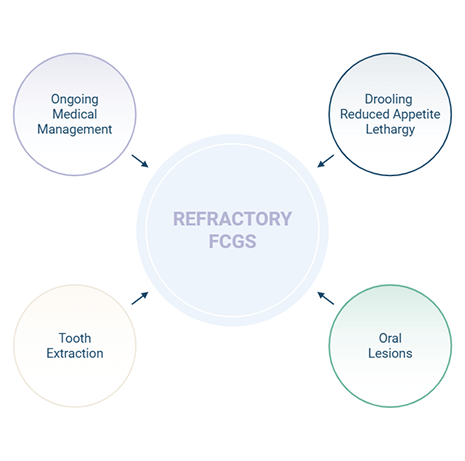
- About 1/3 of cats show major improvement and don’t need further treatment
- About 1/3 of cats show partial improvement but still need ongoing medical management
- About 1/3 will continue to experience pain and show no significant improvements in lesions or quality of life—these cats are deemed “refractory”.
Pain Management Medication
Your vet may recommend:
- Short-term and long-term pain relievers
- Anti-inflammatory medications
- Immunosuppressive medications
- Appetite stimulants during flare-ups
Effective pain control is essential to help cats regain normal eating habits.
Immunosuppressive Therapies
In persistent cases, therapies like cyclosporine or interferon can help regulate the overactive immune response.
Stem Cell Therapy for Severe Pain
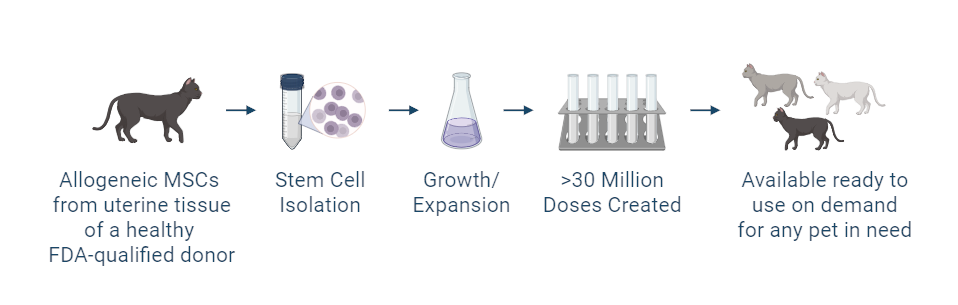
Stem cell therapy is emerging as a promising option for cats who:
- Continue to experience pain post-extractions
- Have recurring inflammation
- Cannot tolerate certain medications
Stem cells help:
- Reduce inflammation
- Fight feline calicivirus infection
- Promote healing
- Improve oral comfort
Your veterinarian can help you determine whether stem cell therapy is appropriate for your cat.
How to Tell if Pain Is Improving
Signs that treatment is working include:
- Eating more confidently
- Less drooling
- Grooming returning to normal
- Brighter eyes and more activity
- Willingness to eat dry or textured foods again
Cats often show significant personality improvements once chronic pain is relieved.
When to Seek Immediate Veterinary Care
Contact your veterinarian right away if you notice:
- Your cat refusing to eat
- Significant drooling with blood
- Rapid weight loss
- Crying while eating
- Bad breath with sudden worsening
- Signs of dehydration or lethargy
Untreated pain can lead to malnutrition and severe systemic illness.
Explore Clinical Trials for Your Pet
Looking for more options? Our clinical trials give eligible pets access to promising new treatments—at no cost to you. See what studies are open and whether your pet might qualify.