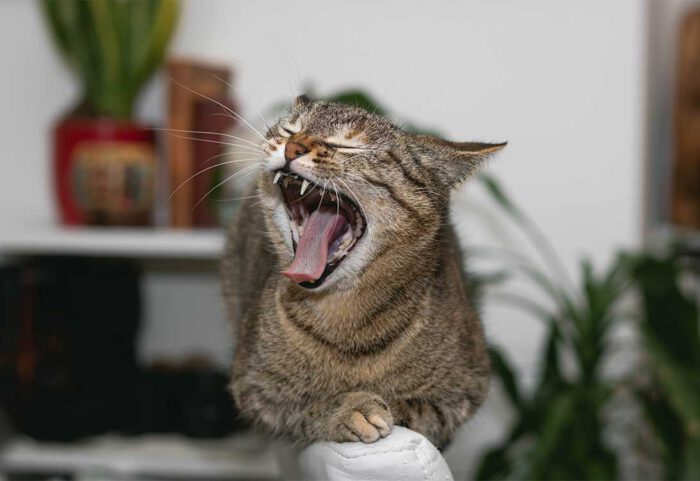
My Cat Is in Pain When He Eats: Causes, Symptoms, and What to Do
If your cat seems uncomfortable while eating—crying, dropping food, chewing strangely, or walking away from the bowl—it’s a clear sign that something is wrong.
Cats are experts at masking discomfort, so by the time pain shows up during meals, the underlying issue is often significant.
In most cases, painful eating in cats is linked to dental disease, oral inflammation, or conditions affecting the immune system.
Eating should never be painful for a cat. This guide helps you understand why your cat may be hurting, what symptoms to watch for, and how a veterinarian can help restore your cat’s comfort and appetite.
Why Pain When Eating Is a Serious Warning Sign in Cats
Cats hide pain instinctively, so mealtime changes are often one of the first noticeable clues that something is wrong in the mouth. Pain while eating often indicates:
- Dental disease
- Gum inflammation or feline gingivitis
- Oral ulcers
- Tooth fractures
- Immune-mediated conditions like feline gingivostomatitis
- Systemic illness affecting the mouth
Because food touches nearly every surface inside your cat’s mouth, even mild oral problems can become extremely painful when your cat tries to chew or swallow.
Common Reasons Cats Experience Pain While Eating
There are many possible causes of painful eating. Some are mild and treatable, while others require more involved veterinary care. The first step is figuring out what’s actually going on in there.
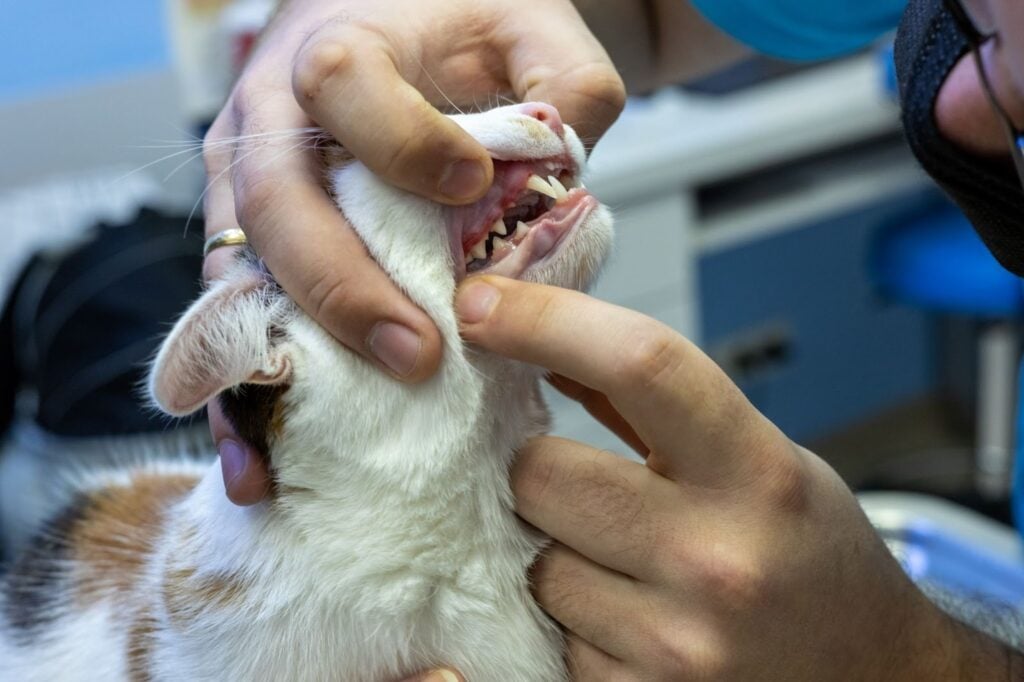
1. Feline Gingivitis (Early Gum Inflammation)
This is where it usually starts. Gingivitis occurs when plaque builds along the gumline, causing redness and swelling. Chewing, especially crunchy kibble, can irritate inflamed gums.
You might notice:
- A red line where the gums meet the teeth
- Mild bleeding
- Bad breath
- Hesitation to eat hard food
Gingivitis is reversible early, but it should be addressed promptly.
2. Periodontal Disease (Advanced Gum Disease)
If gingivitis progresses, bacteria can damage gum tissues and tooth roots. This causes deep, throbbing pain when your cat tries to chew.
Watch for:
- Loose or painful teeth
- Strong-smelling breath
- Gum recession
- Bleeding while eating
- Dropping food
Periodontal disease is one of the most common causes of mouth pain in adult and senior cats.
3. Tooth Resorption (One of the Most Painful Conditions in Cats)
Tooth resorption happens when a tooth begins breaking down internally. It is common, severely painful, and often only visible on dental X-rays.
Signs include:
- Crying or pulling back when food touches a certain tooth
- Sudden preference for soft food
- Dropping kibble like it`s hot
- Blood in saliva
- Chewing only on one side
Extraction is usually the only effective treatment. But the good news? Most cats feel dramatically better almost immediately after those painful teeth are removed.
4. Fractured or Broken Teeth
Cats can fracture teeth from trauma, chewing hard objects, or unnoticed accidents.
Signs include:
- Sharp pain when biting down
- Avoiding chew toys
- Dropping food suddenly
- Pawing at the face
Broken teeth expose sensitive pulp and nerves, making eating extremely painful. Fractured teeth need quick veterinary attention to prevent infection and stop the pain.
5. Feline Gingivostomatitis (Severe Immune-Mediated Oral Disease)
If your cat appears to be in significant pain when eating—crying, refusing food, or running away from the bowl—gingivostomatitis may be the cause.
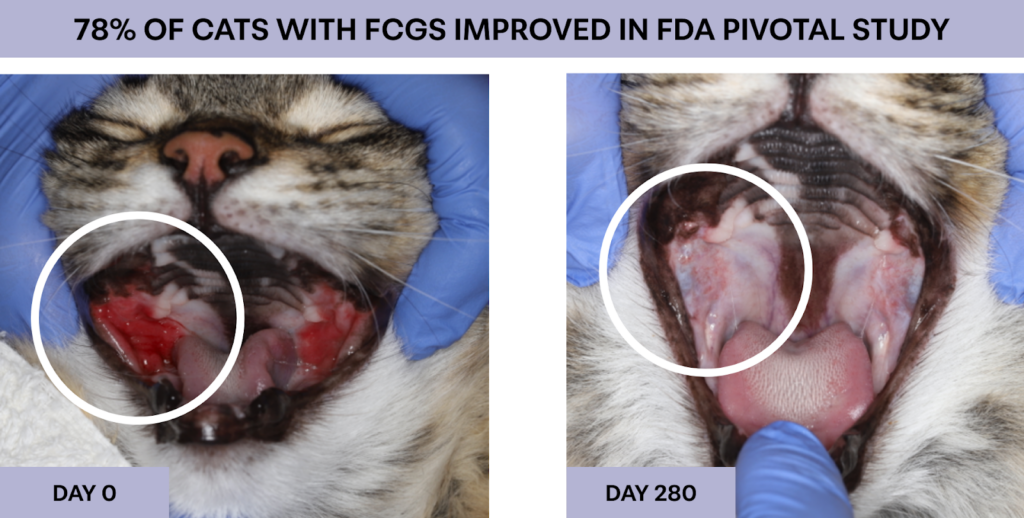
Feline chronic gingivostomatitis (FCGS) is honestly one of the most painful and heartbreaking oral diseases in cats. It causes widespread inflammation throughout the mouth, not just the gumline.
It’s an immune-mediated condition where your cat’s immune system basically overreacts to normal oral bacteria.
Your cat might show:
- Bright red gums
- Painful ulcers inside the mouth, most specifically the back of the mouth
- Excessive drooling (sometimes with blood)
- Strong, foul-smelling breath
- Weight loss
- Avoiding food completely
6. Oral Ulcers and Infections
Ulcers are open sores in the mouth that can form due to viral infections, kidney disease, immune conditions, trauma, or toxin exposure.
Look for:
- Red or raw patches anywhere in the mouth
- Sudden refusal to eat
- Drooling
- Sensitivity when the mouth is touched
Ulcers are typically very painful and need prompt care.
7. Foreign Objects or Trauma
Occasionally, a cat may injure their mouth on:
- Bones
- Toys
- Household items
- String or sharp objects
The result? Lacerations, scrapes, or puncture wounds that make every bite painful. These can also get infected fast.
8. Systemic Illnesses That Cause Oral Pain
Some whole-body diseases cause mouth pain, ulcers, or gum inflammation.
These include:
- Chronic kidney disease (often accompanied by ammonia breath and oral ulcers)
- FIV or FeLV
- Diabetes
- Autoimmune diseases
- Respiratory infections
These conditions often affect appetite, weight, and energy levels, too.
Behavioral Signs Your Cat Is Eating in Pain
Cats won’t come out and tell you they’re hurting, but they communicate discomfort through changes in habits and body language. Learning to read these signs can help you catch problems early.
Eating Behavior Changes
- Dropping food
- Running away from the bowl
- Making chattering or grinding noises
- Chewing awkwardly or on one side
- Repeatedly picking up and dropping kibble
- Hesitating before eating
Changes Outside of Mealtime
You may also notice:
- Reduced grooming
- Hiding more often
- Increased irritability
- Less interest in play
- Sudden weight loss
- Bad breath
When you see these behaviors alongside eating difficulties, it’s a strong signal that oral pain is the problem. Cats with chronic conditions like gingivostomatitis often undergo dramatic personality changes that reverse once they’re finally comfortable again.
How Veterinarians Diagnose Eating-Related Pain in Cats
Because cats hide oral pain so well, diagnosis often requires:
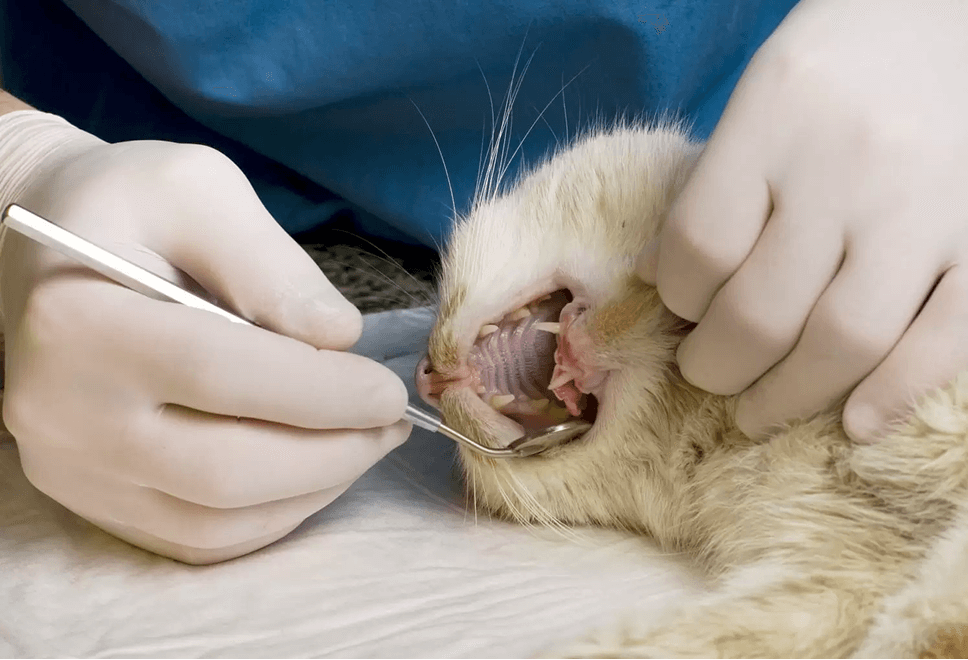
- Full oral exam
- Sedated exam for a complete assessment
- Full-mouth dental X-rays (critical for tooth resorption and deep disease)
- Checking for ulcers, infections, or fractured teeth
- Blood tests to rule out systemic illness
Most dental issues cannot be detected without X-rays—this is why dental imaging is considered essential.
Treatment Options to Relieve Eating Pain
Once you know what’s causing the pain, treatment options include:
Professional Dental Cleaning
Removes plaque and tartar and reduces gum inflammation. Regular cleanings are your best defense against cat gum disease and periodontal disease progressing.
Tooth Extractions
Often required for:
- Tooth resorption
- Severe periodontal disease
- Fractured teeth
- Gingivostomatitis
Most cats experience dramatic improvement in appetite and comfort after painful teeth are removed.
Medications
Depending on the disease, your veterinarian may recommend:
- Pain relievers
- Anti-inflammatories
- Antibiotics
- Appetite stimulants
- Immunosuppressants
- Oral rinses or gels to soothe inflamed tissues
These help restore comfort while underlying issues are addressed.
Stem Cell Therapy for Chronic Oral Pain in Cats
In conditions such as gingivostomatitis, stem cell therapy is emerging as a promising treatment option. It may help:
- Rebalance the altered immune system
- Reduce inflammation
- Improve oral comfort and quality of life
- Support healing in inflamed tissues
At Gallant, we`re currently investigating stem cell therapy specifically for cats with FCGS through FDA-authorized clinical trials.
Early results have been encouraging. Many cats in clinical studies experience less pain, start eating better, and genuinely seem happier.
Is Your Cat a Candidate?
Gallant is currently enrolling cats with FCGS into clinical trials at veterinary practices across the country. If your cat has been diagnosed with gingivostomatitis and you’re looking for new options, this might be worth exploring.
Talk to your veterinarian about whether a clinical study may be appropriate for your cat. All participation is voluntary and conducted under veterinary supervision in accordance with FDA regulations.
Learn More About Stem Cell Therapy for Cats
Explore how regenerative medicine is being studied to support cats with chronic
oral inflammation.
When Eating Pain Becomes an Emergency
Most oral pain isn’t an immediate emergency, but you need to get to the vet right away if your cat shows:
- Refusal to eat for more than 24 hours
- Crying when eating
- Drooling with blood
- Facial swelling
- Sudden weight loss
- Strong, foul-smelling breath
- Lethargy or dehydration
Cats cannot go long without food—untreated pain can quickly lead to serious health problems.
Helping Your Cat Recover and Eat Comfortably Again
Your vet may recommend supportive steps at home, such as:
- Offering soft or warmed food
- Keeping stress low
- Ensuring access to water
- Monitoring weight closely
- Administering medications as prescribed
Watching your cat struggle with eating is heartbreaking—but you don’t have to figure this out alone. Oral pain in cats is almost always treatable, and the sooner you act, the better the outcome.
If your cat is showing signs of discomfort at mealtime, trust your instincts. Schedule a veterinary exam, get a proper diagnosis, and explore the treatment options available. Your cat is counting on you to be their voice.