4 Cat Behaviors You Should Never Ignore
Does your cat have any odd behaviors? Yeah, ours too. Cats are eccentric creatures with funny habits, dramatic moods, and routines that make them who they are.
But while many feline behaviors are harmless, sudden changes in behavior can be one of the clearest signs that something’s wrong. Cats are masters at hiding discomfort, so behavior often becomes the first and sometimes the only clue.
Below are four cat behaviors you should never ignore, what they often mean, and when it’s time to get help.
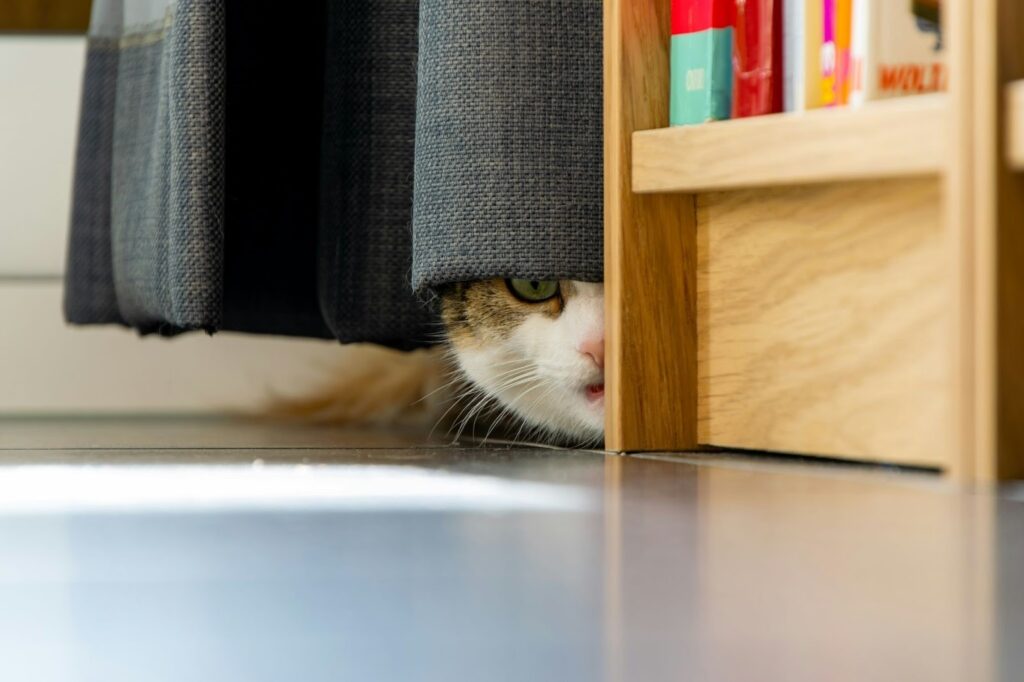
1. Sudden Hiding or Avoidance
Many cats enjoy curling up in quiet places, but a sudden increase in hiding is a common early sign of pain, illness, or stress. Because cats instinctively mask weakness, withdrawing from the family is often their first line of self-protection.
You may notice your cat:
- disappearing into closets or under furniture
- avoiding family members, they usually greet
- looking tense, wide-eyed, or startled when approached
Medical issues that commonly cause hiding include joint pain, dental problems, digestive upset, infections, and hormonal changes. Stressors—such as a new pet, renovations, or disruptions to their routine—can also quickly shift behavior.
What to do:
Monitor for other subtle symptoms (reduced appetite, limping, vomiting, quieter meows), and schedule a veterinary exam. Early detection is key for both physical and behavioral conditions.
2. Urinating Outside the Litter Box
If your cat is peeing outside the litter box, it often signals a medical issue rather than defiance.
Common causes include:
- Urinary tract infections (UTIs)
- Bladder inflammation (FIC)
- Kidney problems
- Bladder stones
- Arthritis is making the litter box hard to enter
- Stress or anxiety
- Litter box aversion (location, cleanliness, or a scented litter)
Cats often associate the litter box with pain if urinating burns or cramps. That can lead them to pee on soft surfaces, such as beds, rugs, or laundry.
What to do:
A vet exam can rule out infections, crystals, or other urinary issues. At home, scoop regularly, use unscented litter, keep multiple boxes for multi-cat households, and reduce stressors that may trigger inappropriate elimination.
3. Sudden Aggression Toward People or Pets
A cat who lashes out unexpectedly—biting, scratching, swatting, or guarding certain areas—may be experiencing:
- pain (arthritis, dental pain, abdominal discomfort)
- over-stimulation
- fear or anxiety
- hyperthyroidism or neurological issues
- territorial stress
A cat who once loved belly rubs suddenly reacting aggressively is often communicating discomfort, not personality change.
What to do:
Document when aggression happens (during petting? after jumping? around certain pets?) and schedule a veterinary evaluation. Once medical causes are addressed, behavioral steps such as more enrichment, predictable routines, and safe retreat spaces can help rebuild trust.
4. Any Significant or Sudden Behavior Change
Because cats are creatures of habit, any behavior that shifts overnight or even over a few days can indicate a deeper issue.
Examples include:
- sudden increased vocalizing
- chewing or eating nonfood items (Pica)
- loss of interest in play
- unexplained weight loss or gain
- restlessness at night
- new destructive behaviors
These changes can be linked to medical issues like hyperthyroidism, GI upset, cognitive decline in senior cats, or environmental stressors.
What to do:
Trust your instincts. If the change is noticeable, persistent, or “just feels off,” a veterinarian can help determine what’s behind the shift and how to support your cat’s comfort and well-being.
You know your cat better than anyone. When something changes suddenly, it’s your cat’s way of asking for help. If you’re concerned about a behavior change, reaching out for guidance is always the safest move.
Stay in Touch
Get updates on how stem cell therapies are improving pets’ quality of life. Learn about upcoming clinical trials and new treatments designed to help your pet thrive.