Stem Cell Therapy for Feline Osteoarthritis (OA): Investigating a New Way to Support Mobility and Comfort in Cats
Osteoarthritis is a common yet underrecognized cause of pain and stiffness in cats. Gallant is studying how stem cell therapy may one day help address inflammation and support joint health.
Understanding Osteoarthritis in Cats
For many cats, slowing down with age isn’t just a sign of getting older—it may be a sign of osteoarthritis (OA). This chronic, degenerative joint disease affects the smooth cartilage that cushions a cat’s joints, leading to pain, stiffness, and reduced mobility. Recent studies have shown that inflammation and possible immune dysregulation contribute to OA in cats.
While OA is widely recognized in dogs, it’s also extremely common in cats, particularly as they age. Studies suggest that 80-90% of cats show clinical or radiographic evidence of joint degeneration by the time they reach their senior years.
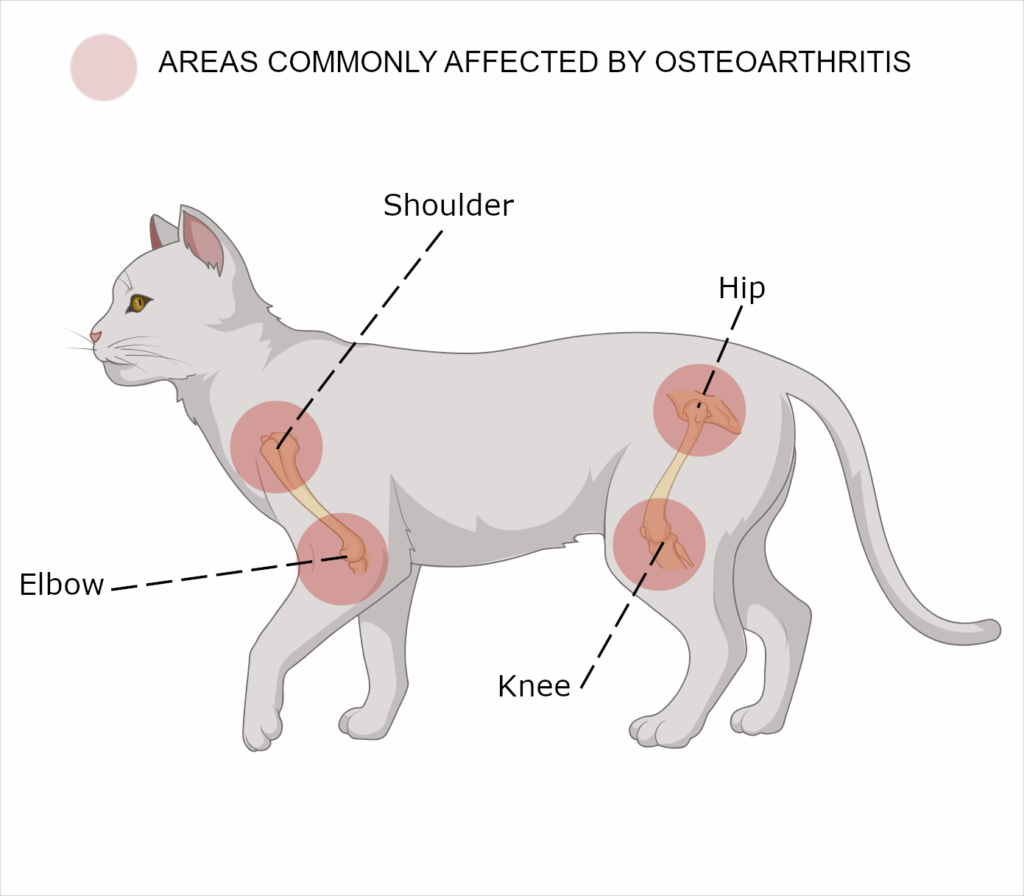
Common signs of OA in cats include:
- Reluctance to jump onto furniture or countertops
- Reduced activity or grooming
- Hesitation to climb stairs
- Irritability or withdrawal
- Stiffness, especially after rest
Because cats are experts at masking discomfort, OA often goes unnoticed until the disease is advanced.
Why Current Treatments May Not Be Enough
Managing feline OA can be challenging. Most current therapies—such as weight management, joint supplements, and pain-relieving medications—focus on symptom control rather than addressing the underlying inflammation and cartilage degeneration.
While these approaches can help improve comfort and mobility, there remains an unmet need for therapies that may support the body’s natural repair processes and provide more lasting relief.
Investigating Stem Cell Therapy for Feline OA
Stem cell therapy is being studied for its potential to modulate inflammation, support tissue regeneration, and restore balance within the joint environment.
Gallant is investigating uterine-derived mesenchymal stromal (stem) cells (UMSCs) as a possible approach to support cats with osteoarthritis. These donor-derived cells are collected ethically during routine spay procedures and expanded under FDA-regulated conditions for investigational use.
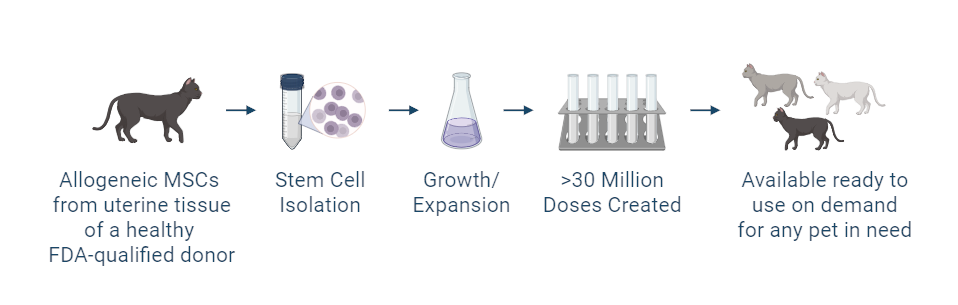
Gallant is currently evaluating intravenous administration of allogeneic (donor-derived) UMSCs in cats with OA to evaluate safety and effectiveness.
How Gallant’s Research Works
Gallant’s investigational therapies are manufactured in a Current Good Manufacturing Practices (cGMP)–compliant facility to ensure quality and reproducibility. Each batch of cells is tested to verify cell identity, quality, and potency before use in clinical studies.
All research is conducted under FDA oversight, with the goal of exploring whether regenerative medicine could become a practical, science-based option for veterinarians managing conditions like osteoarthritis.

Looking Ahead
Cats with OA often experience subtle but significant changes in their daily lives. Regenerative medicine represents a promising area of study aimed at helping veterinarians and researchers explore new ways to support joint health and mobility.
While stem cell therapy for feline OA remains investigational, Gallant’s research continues to advance understanding of how these therapies may one day complement traditional care and improve quality of life for aging cats.
Learn More
Gallant is leading the next generation of veterinary regenerative medicine, developing ready-to-use stem cell therapies designed to help pets live longer, healthier, and more comfortable lives.
Visit our Clinical Trials page
Learn more about participation and find a clinic near you.
All participation is voluntary and conducted under veterinary supervision in accordance with FDA regulations.
Disclaimer
Gallant’s investigational stem cell therapies are not commercially available. These veterinary products may be available through participation in a study at a qualified clinic under FDA-authorized protocols. This blog is intended for educational purposes only and does not constitute medical advice.

Vice President of Veterinary Affairs at Gallant
Dr. Rebecca Windsor, DVM, DACVIM, is a board-certified veterinary neurologist with over 20 years of clinical experience and a strong record of scientific publication. She joined Gallant in 2025 and serves as Vice President of Veterinary Affairs.
Dr. Windsor specializes in veterinary regenerative medicine, with a focus on advancing FDA-approved, off-the-shelf mesenchymal stem cell therapies for pets. She develops educational platforms that translate the science, safety, and clinical efficacy of stem cell therapy for veterinary professionals. Since 2019, she has served as a Clinician Scientist at Ethos Discovery, where she leads the neurology research portfolio.