Why Are My Cat’s Gums Red and Painful?
If you’ve noticed your cat’s gums looking red, swollen, or irritated, it’s a sign that something is going on beneath the surface. Gum inflammation in cats is common, but painful, red gums are never normal—and they often indicate an underlying dental or systemic condition that needs attention.
Because cats instinctively hide discomfort, gum changes may be one of the few clues pet parents can see. Understanding the most common causes and what to watch for allows you to help your cat as early as possible.
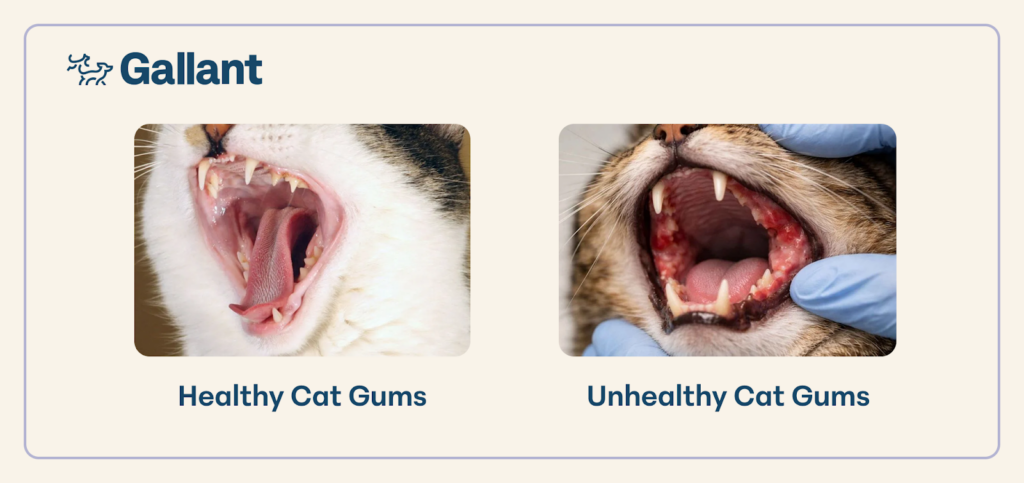
What Healthy Cat Gums Should Look Like
Before identifying what’s abnormal, it helps to know what’s typical.
Healthy cat gums are:
- Light pink (like shrimp)
- Moist but not drooly
- Smooth, without lumps or sores
- Evenly colored, without bright red lines or patches
Some cats naturally have slight pigment on their gums—black or freckled spots are usually normal, especially in orange, calico, or tuxedo cats.
Any redness, swelling, bleeding, or foul odor is a sign that something is wrong andrequire veterinary attention to prevent complications.
Common Reasons Your Cat’s Gums Are Red or Painful
Red gums can appear for several reasons, ranging from mild gingivitis to more serious conditions involving the immune system. Below are the most frequent causes veterinarians see when evaluating feline oral inflammation.
1. Gingivitis (Early Gum Disease)
Gingivitis in cats is the most common cause of red gums. It occurs when plaque builds up along the gumline and triggers inflammation.
Signs of gingivitis include:
- A bright red line along the gums
- Mild swelling
- Slight bleeding
- Mild bad breath
Gingivitis is reversible with dental cleaning and home care, but it should not be ignored—it can progress to periodontal disease.
2. Periodontal Disease (Advanced Gum Disease)
If gingivitis worsens, bacteria migrate below the gumline and start damaging tissues and the jawbone that support the teeth.
Signs include:
- More intense redness and swelling
- Loose or painful teeth
- Gum recession
- Bad breath that smells sour or rotten
Periodontal disease is painful and requires professional treatment. It is especially common in older cats.
3. Tooth Resorption
Tooth resorption is one of the most painful dental conditions in cats. The tooth’s internal structure begins to break down, causing the gums around the affected area to become inflamed and very sensitive. Tooth resorption affects more than half of adult cats at some point.
Possible signs:
- Red or raw-looking tissue around a tooth
- Avoiding dry food
- Crying out while eating
- Blood in drool
Many cats require extractions for relief.
4. Feline Gingivostomatitis
If your cat’s gums are bright red, bleeding easily, or painful to the touch, feline gingivostomatitis may be the cause.
This severe condition involves widespread inflammation of the gums, cheeks, tongue, with characteristic sores at the back of the mouth. It is extremely painful and can cause significant changes in behavior and eating habits.
Symptoms include:
- Intense redness across the entire mouth
- Ulcers and mass lesions
- Strong bad breath
- Reluctance to eat
- Weight loss
- Drooling (sometimes bloody)
Because gingivostomatitis has an immune system component, meaning the cat’s immune system overreacts to oral bacteria, treatment often involves extractions, medications, and sometimes advanced therapies to modulate the immune system.
5. Mouth Ulcers or Infections
Ulcers can form due to:
- Feline calicivirus
- Kidney disease
- Immune conditions
- Trauma
- Allergic reactions
Ulcers appear as red, raw patches—usually very painful.
6. Systemic Illnesses That Affect the Gums
Some whole-body conditions cause oral inflammation as a secondary effect.
These include:
- Chronic kidney disease (often accompanied by ulcers and ammonia breath)
- FIV or FeLV infections
- Autoimmune diseases
- Diabetes
- Severe upper respiratory infections
Red gums paired with lethargy, increased thirst, or weight changes should prompt a veterinary exam.
Behavioral Signs Your Cat’s Gums Are Hurting
Cats rarely show pain directly, but their behavior speaks loudly.
Eating Changes
- Picking up food and dropping it
- Chewing on one side
- Avoiding dry food
- Taking longer to finish meals
- Crying or running away from the bowl
Grooming Changes
- Grooming less often
- Looking unkempt or matted
- Avoiding licking certain areas
Mood & Activity Changes
- Hiding or acting withdrawn
- Irritability
- Reduced playfulness
- Less interest in family interaction
Changes in behavior paired with red gums strongly suggest oral pain.
How Vets Diagnose the Cause of Red or Painful Gums in Cats
A thorough veterinary exam typically includes:
- Visual oral exam
- Full-mouth dental X-rays (essential—many issues are hidden)
- Checking for ulcers, lesions, or loose teeth
- Blood tests to evaluate kidney function, viruses, or inflammation
- Sedation for a complete examination if needed
Many feline dental problems can’t be seen without imaging, so dental X-rays or CT are considered the gold standard.
Treatment Options for Red Gums and Oral Pain in Cats
Treatment depends on the underlying cause, but may include:
Professional Dental Cleaning
Removes plaque and tartar, helping reduce inflammation and slow disease progression.
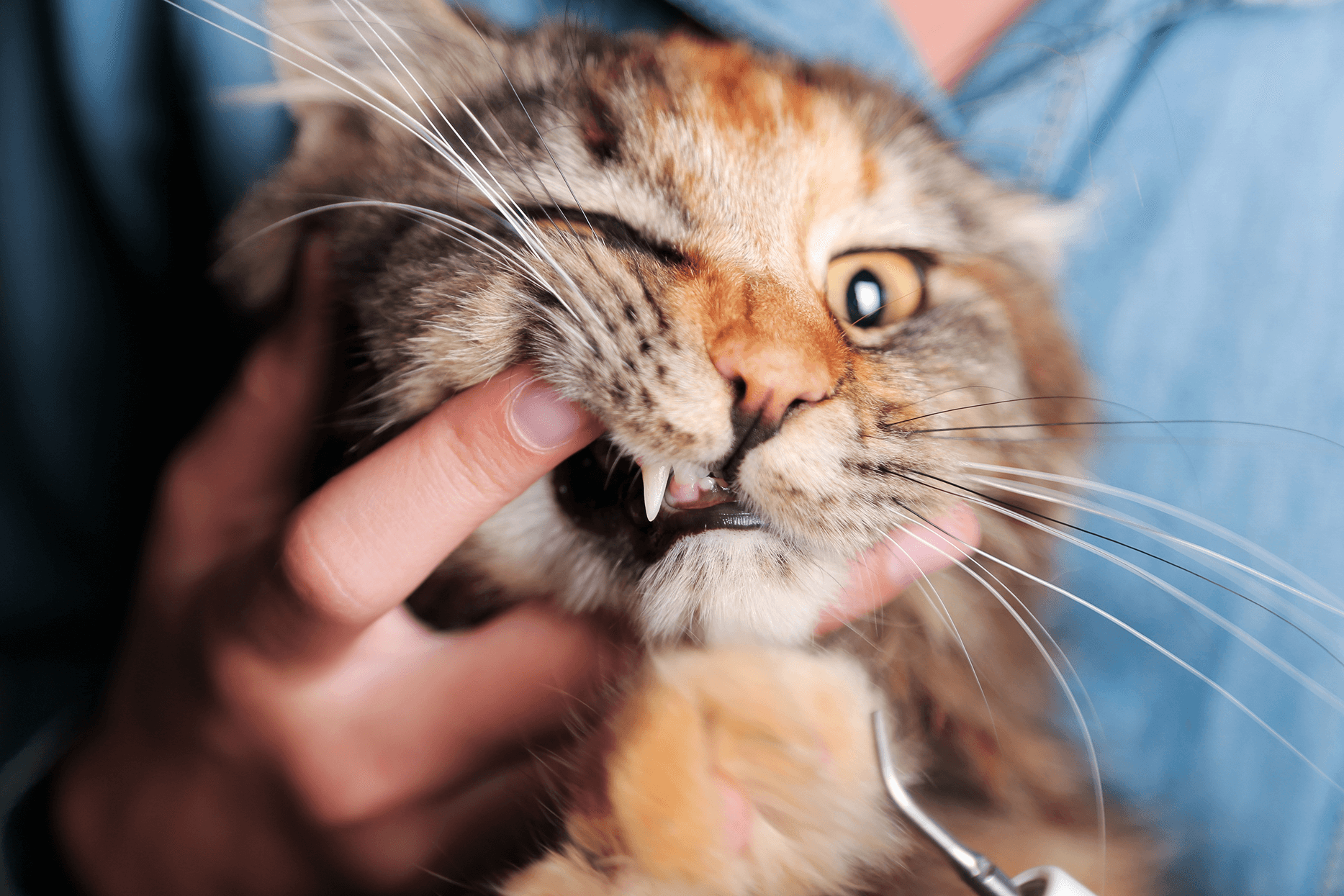
Extractions
Often recommended for:
- Broken teeth
- Tooth resorption
- Severe periodontal disease
- Gingivostomatitis
Removing painful teeth often leads to dramatic improvements in comfort.
Medications
Your veterinarian may prescribe:
- Pain relievers
- Anti-inflammatory medications
- Antibiotics (short-term)
- Oral gels or rinses
- Immunosuppressive medications
Stem Cell Therapy (For Severe Inflammation)
In cases like gingivostomatitis or chronic oral inflammation, stem cell therapy for cats is emerging as a promising option. Rather than acting like a drug that targets a single symptom, stem cell therapies are being studied for their potential to help calm excessive inflammation and support the body’s natural healing processes, which is especially relevant in immune-driven conditions like chronic gingivostomatitis.
It may help:
- Rebalance the disrupted immune system
- Reduce inflammation
- Improve oral comfort and quality of life
- Support healing in affected tissues
At Gallant, we’re studying investigational stem cell therapies for cats with chronic inflammatory conditions through FDA-authorized clinical trials. These therapies use carefully sourced donor-derived stem cells and are standardized, off-the-shelf, and do not require stem cell collection from your cat.
A veterinary specialist can determine whether this therapy is appropriate for your cat`s condition.
Learn More About Regenerative Therapies
for Cats
Explore how Gallant is advancing stem cell research for cats living with chronic inflammatory conditions, and see whether participation in a clinical study may be an option for your pet.
When to Seek Immediate Veterinary Care
Red gums alone are rarely an emergency, but certain symptoms require urgent attention:
- Refusal to eat for 24+ hours
- Crying during meals
- Significant drooling or bleeding
- Facial swelling
- Rapid weight loss
- Ulcers or lesions inside the mouth
- Strong, foul-smelling breath
These signs indicate significant discomfort or infection.
How to Prevent Gum Problems in Cats
You can help reduce the risk of painful gum conditions by:
- Scheduling regular dental checkups
- Feeding a balanced diet
- Using vet-approved oral care products
- Monitoring your cat’s eating and grooming habits
- Keeping stress low (stress affects oral health too)
Red or painful gums are your cat’s way of asking for help. While some causes are mild and manageable, others can significantly impact comfort, appetite, and overall health if left untreated. The sooner oral pain is identified, the easier it is to relieve—and the better your cat will feel.
If something about your cat’s mouth doesn’t look right, trust your instincts and talk with your veterinarian. Early care can make a lasting difference in helping your cat stay comfortable, eat well, and feel like themselves again.