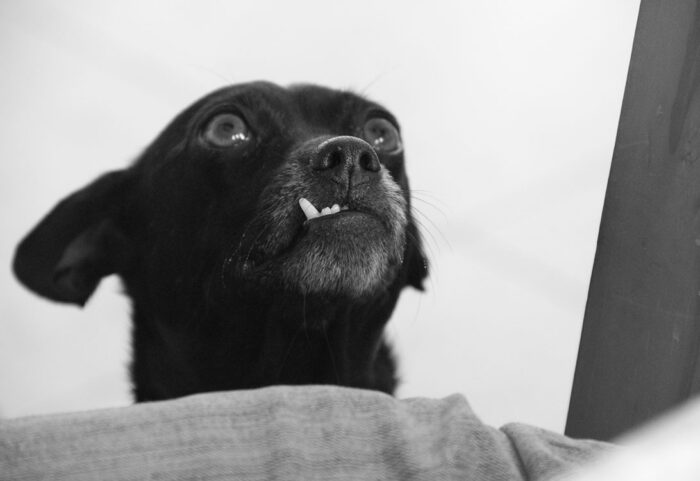
Why Does My Dog Lick His Paws? 6 Common Causes
Paw licking is one of the most common behaviors dog owners ask veterinarians about and for good reason.
Just like cats, dogs use their tongues to keep themselves clean. You might notice your dog licking their paws after meals, following outdoor adventures, or before settling down for the night. This self-grooming behavior is perfectly healthy in moderation.
However, if your dog is constantly licking his paws, licking until they’re red and raw, or suddenly started obsessive paw licking, there could be an underlying issue that needs attention.
In this comprehensive guide, we’ll explore why dogs lick their paws, when you should be concerned, and how to stop a dog from licking paws excessively.

1. Normal Self-Grooming and Hygiene
Dogs naturally maintain their paws through licking, especially after eating meals when they may have gotten food residue on their paws. You’ll also commonly see this grooming behavior after walks on dirt, grass, or muddy terrain, or following trips to the dog park or beach.
This routine paw cleaning is healthy dog behavior and nothing to worry about unless it becomes excessive or obsessive.
2. Paw Injuries and Foreign Objects
When a dog licks one specific paw repeatedly, there’s likely a localized injury or irritation causing discomfort.
Common paw injuries include:
- Cuts or scrapes from rough surfaces or sharp objects
- Splinters or thorns lodged between paw pads
- Insect bites or stings (bees, ants, spiders)
- Burns from hot pavement or ice melting chemicals
- Broken nails or overgrown nails causing pain
In winter months, dogs can suffer burns from ice melting chemicals, while summer brings the danger of hot pavement burns. Even something as simple as a broken nail or overgrown nails can cause enough pain to prompt constant licking.
Gently examine your dog’s paws, checking between the toes and paw pads. Look for swelling, redness, bleeding, or foreign objects. If you find a cut, puncture wound, or can’t remove an embedded object, contact your veterinarian immediately to prevent infection.
3. Environmental and Food Allergies
Allergies are one of the leading causes of excessive paw licking in dogs. The constant itchiness and irritation drive dogs to lick for relief, but unfortunately this often makes the problem worse by creating more inflammation.
Environmental allergies might stem from:
- Pollen, grass, and weeds
- Dust mites
- Mold spores
- Cleaning products or lawn chemicals
Food allergies commonly involve:
- Beef, chicken, or dairy proteins
- Wheat, corn, or soy
- Artificial additives
Your veterinarian may recommend allergy testing, antihistamines, or an elimination diet to identify triggers. Keep in mind this process requires patience, as food trials typically take 8-12 weeks to show definitive results. During this time, you’ll feed your dog a limited ingredient diet to systematically rule out potential allergens.
4. Yeast or Bacterial Infections
If your dog is licking multiple paws and you notice a musty odor, redness, or brown saliva staining on the fur, a yeast or bacterial infection could be the culprit. These infections thrive in warm, moist environments—exactly what excessive licking creates, leading to a vicious cycle.
The telltale signs include a foul odor often described as smelling like “corn chips” or “cheese,” along with red, inflamed skin between the toes, brown or rust-colored fur staining, and sometimes swelling or discharge.
Veterinary treatment with antifungal or antibiotic medications is essential to break this cycle. Your vet may prescribe medicated wipes, specialized shampoos, or oral medications depending on the severity of the infection. Without proper treatment, these infections can become chronic and increasingly difficult to manage.
5. Pain from Arthritis or Joint Issues
Senior dogs and certain breeds prone to joint problems may lick their paws as a response to pain elsewhere in their legs or body. Arthritis and other musculoskeletal issues don’t always manifest in obvious ways, and dogs experiencing this type of discomfort might lick their paws without any visible injury. You may also notice your dog showing reluctance to climb stairs or jump, displaying stiffness after resting, or changing their normal walking gait.
Pain management becomes crucial as dogs age. Discuss treatment options with your veterinarian, including joint supplements, prescription pain relief or physical therapy. Many dogs experience significant quality-of-life improvements with proper pain management protocols.
6. Anxiety, Stress, and Compulsive Behavior
Behavioral paw licking often develops as a self-soothing mechanism for anxious or bored dogs, similar to how humans might bite their nails when stressed. This behavior can escalate into obsessive-compulsive disorder (OCD) in dogs if left unaddressed.
Common anxiety triggers include:
- Separation anxiety when left alone
- Changes in routine or environment
- Lack of mental stimulation
- Insufficient physical exercise
- Past trauma or rehoming stress
To get rid of this behavior start by increasing your dog’s daily exercise and providing puzzle toys and enrichment activities to keep their mind engaged. Maintain consistent routines, as dogs thrive on predictability.
If the licking persists despite these changes, consider working with a certified dog behaviorist who can develop a customized behavior modification plan. In some cases, anti-anxiety medications prescribed by your veterinarian may help your dog break the compulsive cycle.
When to See a Veterinarian
Schedule a vet appointment if your dog:
- Licks paws constantly for more than a few days
- Shows redness, swelling, or discharge
- Limps or avoids putting weight on a paw
- Has discolored (brown/red) fur on their paws
- Develops bald patches from over-licking
- Licks to the point of creating open sores
Whether the cause is allergies, injury, infection, pain, or anxiety, proper diagnosis and treatment will help your dog feel comfortable again.
Stem Cell Therapies for Dogs
Some of the underlying conditions associated with chronic paw licking—such as canine osteoarthritis and canine atopic dermatitis—are driven by complex inflammatory processes rather than isolated symptoms.
At Gallant, we are developing donor-derived, off-the-shelf stem cell therapies that are being investigated for their potential to help support the body’s natural regulatory and repair pathways at the source of disease. These therapies are designed to address underlying immune and inflammatory mechanisms, rather than focusing solely on symptom management.
While Gallant’s stem cell therapies remain investigational and are currently available only through clinical studies, ongoing research aims to expand future options for veterinarians managing chronic joint disease and allergic skin conditions in dogs.
Be Part of the Future of Pet Care
Gallant is enrolling pets in ongoing clinical trials to evaluate ready-to-use stem cell therapies. By joining, you and your pet can play a role in shaping the future of veterinary medicine.