Top Shih Tzu Health Concerns Every Owner Should Watch For
Shih Tzus are beloved for their affectionate nature, compact size, and unmistakable charm. But like many small and brachycephalic breeds, they’re also predisposed to certain breed-specific health problems.
Whether you already share your home with a Shih Tzu or you’re researching the breed before bringing one home, understanding the most common Shih Tzu health concerns, early symptoms, and preventive care can make a tremendous difference in your dog’s long-term well-being.
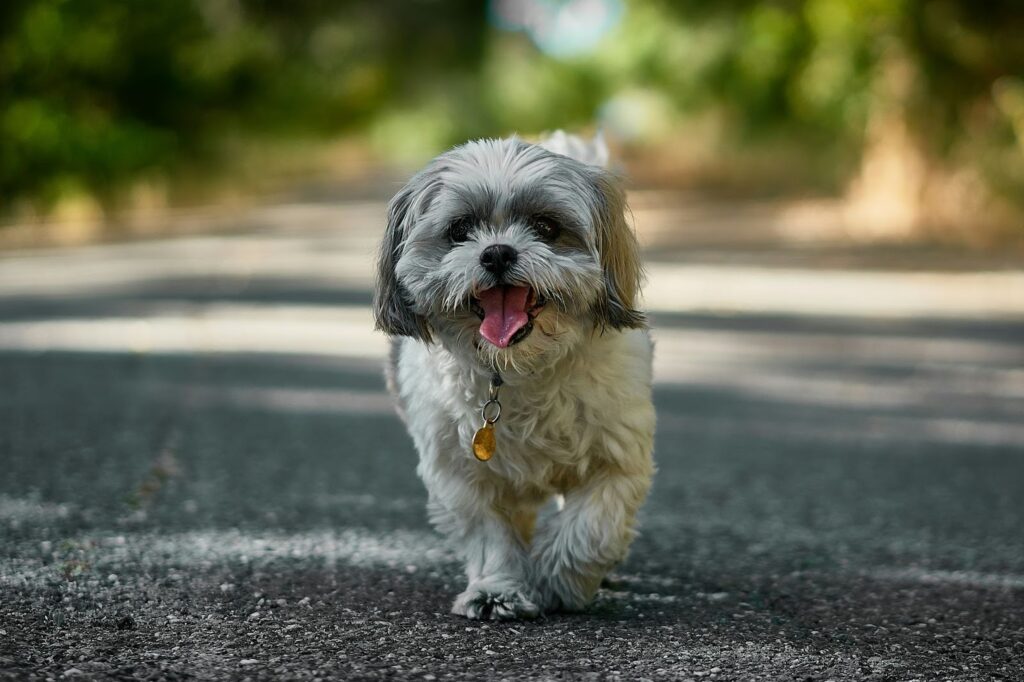
Because of their unique anatomy—short legs, flat faces, long coats, and compact frames—Shih Tzus tend to experience predictable issues such as joint problems, eye diseases, breathing difficulties, skin allergies, and digestive or gland-related concerns.
Shih Tzu Knee Problems & Slipping Kneecaps
One of the most common orthopedic issues in Shih Tzus is luxating patella, a condition where the kneecap slides out of its normal position. Because Shih Tzus are a small, lightweight breed with naturally shallow knee grooves, their kneecaps don’t always track perfectly.
Common signs include:
- occasional skipping or hopping
- sudden hesitation to jump
- stiffness after rest
- discomfort when the knee is touched
What makes this condition tricky is that it can start subtle and gradually progress. Some dogs show discomfort only occasionally, others develop chronic inflammation. The good news is that many Shih Tzus do well with early management.
Veterinarians often recommend things like joint supplements, keeping your dog at a healthy weight, and choosing softer play surfaces at home. These small changes reduce strain on the knee and slow the progression toward canine osteoarthritis. Physical therapy and controlled exercise can also help build muscle strength that stabilizes the joint.
In more advanced cases—usually when the patella slips frequently or causes noticeable pain—surgery may provide long-term relief and better joint function. The goal is always the same: to keep your Shih Tzu comfortable, active, and able to enjoy the daily zoomies they’re famous for.
Shih Tzu Eye Problems
Shih Tzus are one of several breeds prone to progressive retinal atrophy (PRA), an inherited condition that affects the light-sensitive cells at the back of the eye. PRA is slow-moving, and many pet parents don’t notice early changes until their dog begins hesitating in low light.
Early signs to watch for:
- trouble seeing in dim or dark rooms
- bumping into objects at night
- increased anxiety during nighttime walks
Although there’s no cure for PRA, dogs usually adapt well with the right support. Keeping furniture in consistent places, adding night lights around the home, and using verbal cues can help a visually impaired dog navigate confidently.
Choosing a reputable breeder is one of the most effective preventive steps. Responsible breeders screen for PRA and avoid producing puppies with known genetic risk.
Shih Tzus Develop Chronic Coughing
Because Shih Tzus are small and have narrow airways to begin with, they’re at higher risk for tracheal collapse, a condition in which the windpipe weakens over time. The classic sign is a persistent, harsh, or “honking” cough.
The coughing often occurs:
- during excitement
- after drinking water
- when pulling on a collar
- in warm or humid weather
For mild cases, lifestyle management goes a long way. Switching from a collar to a harness can dramatically reduce pressure on the neck. Keeping your dog at a healthy weight also helps, since extra weight adds strain to the airway.
Veterinarians may prescribe cough suppressants, bronchodilators, or anti-inflammatory medications for flare-ups. In severe cases, especially when dogs struggle for breath, surgery may be necessary to widen the airway and improve airflow.
Anal Gland Issues in Shih Tzus
Shih Tzus often experience anal gland problems, simply because their small bodies don’t always generate enough pressure to empty the glands naturally. When the glands fill up, they can become uncomfortable, infected, or impacted.
Common symptoms include:
- scooting or dragging the rear
- licking under the tail
- a sudden, foul odor
- difficulty passing stool
Most Shih Tzus need occasional help from a veterinarian or groomer to manually express the glands. If infections occur repeatedly, your vet may recommend dietary changes, especially adding fiber, to create firmer stools that naturally empty the glands during bowel movements.
Maintaining a healthy weight and identifying potential food sensitivities can also reduce inflammation around the glands, decreasing flare-ups over time.
Breathing Challenges in Shih Tzu
The Shih Tzu’s adorable flat face comes with its own set of challenges. Brachycephalic airway syndrome is a combination of anatomical features, like narrowed nostrils and elongated soft palate, that make breathing more difficult.
You might notice your Shih Tzu snoring loudly, breathing noisily during rest, panting more than expected, or struggling in warm weather. These dogs can also tire quickly during walks and may need longer rest periods to cool down.
To keep your Shih Tzu comfortable, it helps to:
- avoid exercise during heat or humidity
- walk them using a harness instead of a collar
- maintain a lean, healthy weight
- keep their environment cool and well-ventilated
In some cases, surgery can greatly improve airflow and overall quality of life. If you’re getting a puppy, asking the breeder about airway health in the family line is a valuable step. Responsible breeders pay close attention to nostril shape and breathing function.
Chronic Itching and Skin Inflammation in Shih Tzus
Another condition seen fairly often in Shih Tzus is atopic dermatitis, a long-term inflammatory skin disease driven by an overactive immune response. Because this breed has a naturally sensitive skin barrier and is prone to allergies, Shih Tzus may start showing signs of atopic dermatitis as early as young adulthood.
The disease develops when the immune system becomes overly reactive to everyday triggers, such as pollen, dust mites, grasses, or other environmental allergens. This immune imbalance sets off a cycle of inflammation that affects the skin’s protective barrier, making it easier for irritants and bacteria to penetrate. As the barrier weakens, itching increases, infections become more likely, and flare-ups grow more frequent.
Common symptoms include:
- persistent scratching or licking
- red, irritated skin
- hair loss from chewing or rubbing
- recurrent ear infections
- thickened or darkened skin over time
Many Shih Tzu parents describe the condition as coming and going, with certain seasons or environments making the symptoms worse. Secondary bacterial or yeast infections can intensify discomfort and may require additional veterinary care.
Current therapies—such as steroids, cyclosporine, JAK inhibitors, and monoclonal antibodies—can absolutely help reduce itching and inflammation. However, these medications often focus on controlling symptoms rather than addressing the underlying immune imbalance that drives the disease. This is why some dogs improve only temporarily or continue to experience frustrating flare-ups.
At Gallant, we are evaluating mesenchymal stem cells (MSCs) derived from uterine tissue to investigate new ways to help dogs with chronic, itchy skin. Early research suggests that regenerative cell therapy may help support normal immune responses and skin health in dogs with atopic dermatitis. While these early findings are encouraging, additional studies are underway to demonstrate safety and effectiveness in a larger group of dogs living with CAD.
Advance Veterinary Science With Us
Participate in clinical studies developing FDA-approved stem cell therapies for pets.