What to Do If Your Cat is Straining to Urinate: First Aid
If your cat is straining to urinate, it’s not always a cause for panic, but it can be. This issue can range from mild discomfort to a serious emergency. Knowing what to do in the first 2 hours can make all the difference in your cat’s health. Here’s a guide to help you decide whether to schedule a vet visit later or rush to an emergency clinic.
0 – 30 Minutes: Notice Something’s Wrong?
There are several reasons why your cat might be straining to urinate. One of the most common causes is cystitis in cats, which is an inflammation of the bladder. Cystitis can develop gradually or suddenly, but it rarely resolves on its own without medical intervention. If left untreated, cystitis can be very painful and potentially lead to more serious complications.
In some cases, cystitis can be accompanied by more serious conditions, such as bladder stones or a urethral plug, both of which can completely block urine flow. Urinary blockages in cats, especially male cats, can be life-threatening if not addressed quickly.
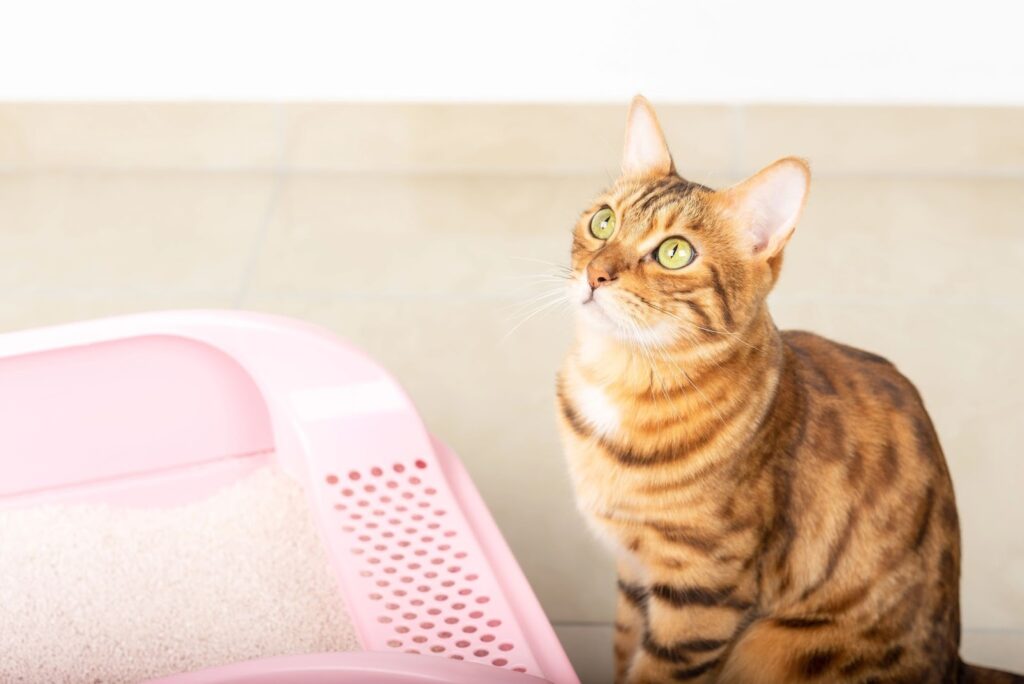
The first signs of a urinary issue will likely appear when your cat is having trouble using the litter box. You may notice:
- Straining or obvious pain while attempting to urinate
- Small amounts of blood in the litter box
- Frequent trips to and from the litter box without urinating
- Agitation or discomfort when touched
- Lethargy or lack of energy
- Hiding behavior or unusual retreating
These are all signs that your cat may have a bladder issue that needs immediate attention. Blood in cat urine or difficulty urinating are often signs of something more serious and should not be ignored.
30 Minutes – 1 Hour: Assess the Severity of Your Cat’s Urinary Problem
If your cat is struggling to urinate, it’s time to evaluate the seriousness of the situation. Male cats are at a higher risk of a complete urinary blockage, which is a true emergency. A blocked urethra can quickly lead to kidney failure or death if not treated immediately.
For female cats, while not as urgent, you still need to get them seen by a vet within 24 hours. If your cat is showing signs like vomiting or excessive lethargy, don’t wait—head to the vet right away.
1 – 2 Hours: Follow Your Vet’s Advice for Urinary Blockage in Cats
If the situation has gotten to the point where a vet visit is needed, your vet will perform a few important tests. They might check your cat’s bloodwork and urine to assess the severity of the blockage and whether it’s affecting their kidneys. They may also recommend X-rays or an ultrasound to check for things like bladder stones or any other blockages.
For a urinary blockage, your vet will likely need to insert a catheter (while your cat is under anesthesia) to relieve the pressure in their bladder. This could take a few hours to a few days, depending on how severe the blockage is. In rare cases, surgery may be required if there are large stones or particularly tough blockages.
Once the immediate issue is dealt with, your vet will discuss ways to prevent future problems. Increased water intake, a special diet, and ensuring your cat has a low-stress environment are usually recommended to help keep their bladder healthy.
Other Urinary Issues in Cats: Recognizing the Signs of Chronic Kidney Disease
While straining to urinate is a common symptom in cats, it’s not the only urinary issue pet owners should watch for. Frequent urination—especially if it seems excessive or your cat is urinating in unusual places—can also be a sign of chronic kidney disease (CKD), a common condition in older cats. Feline CKD is a progressive and under-recognized disease that can severely affect your cat’s quality of life. Understanding its signs and causes is crucial, especially since it’s one of the most prevalent health issues affecting senior cats.
As your cat ages, the kidneys may lose their ability to filter waste and regulate vital functions, leading to symptoms like increased urination, dehydration, and weight loss. Frequent urination may often be mistaken for a behavioral issue or minor infection, but if left unchecked, CKD can worsen rapidly, leading to kidney failure. Early detection and treatment are key, and your vet may recommend blood tests, urine tests, and possibly an ultrasound to diagnose the condition.
Regenerative Medicine for Cats with CKD
At Gallant, we are studying mesenchymal stromal cells (MSCs) as a possible treatment for cats with CKD. These stem cells are ethically collected during routine spay surgeries and grown under FDA-regulated conditions for investigational use. The idea behind this therapy is that these cells could help reduce inflammation, regenerate damaged tissues, and restore normal kidney function.
Our goal is to provide veterinarians with new tools to help manage CKD more effectively and improve the quality of life for affected cats.
Revolutionizing Pet Health with Stem Cell Therapy
If you’re interested in participating in our clinical trials, enroll today and help us advance treatments for cats with chronic kidney disease.