What to Do When Your Pet Is Hit by a Car: Immediate Steps
It’s one of the most terrifying situations any pet parent can face: seeing or discovering that your pet has been hit by a car. Sadly, millions of dogs and cats are struck by vehicles every year, many suffering serious injuries. However, many pets survive car accidents, and what you do in the immediate aftermath can make a life-saving difference.
When your pet is injured by a car, quick action is critical. Here’s a comprehensive guide on what to do when your pet is hit by a car and how to manage the situation to give them the best chance of recovery.

0-5 Minutes: Ensure Safety and Stabilize Your Pet
The first few minutes after your pet has been hit by a car are critical. The primary goal is to keep your pet safe and avoid further injury, but you must also be cautious of your surroundings and your own safety.
In the aftermath of an accident, your pet will likely be in shock, potentially confused or disoriented. They may also lash out in pain, making it difficult for you to assist them. The first few minutes give you a narrow window of opportunity to stabilize your pet and move them to safety before rushing them to the vet.
How to Safely Move Your Pet:
- Assess the situation
Quickly check if it’s safe for you to approach and move your pet. Look for oncoming traffic or any other hazards. If you’re in a high-traffic area, wait for traffic to stop.
- Move your pet out of danger
Once you’re sure it’s safe to do so, gently move your pet off the road. If your pet is large or unable to move on their own, you may need a makeshift stretcher. Use a blanket, towel, or even a wooden board to carefully lift and transport them away from the road.
- Minimize movement
If you suspect any spinal injuries, avoid excessive movement to prevent causing further harm. Keep your pet still until you can safely get them to the vet.
- Muzzle if needed
If your pet is in severe pain, they may become aggressive. Using a makeshift muzzle (a towel or belt) can help protect you from bites while you attend to them.
- Stay calm
Injured pets often sense anxiety in their owners, which can make them more anxious themselves. Speak in a soothing voice, and do your best to stay composed.
5-10 Minutes: Control Bleeding and Stabilize Your Pet’s Condition
Once you have your pet out of immediate danger, your focus should shift to stopping any bleeding and keeping your pet as still as possible during transport to the veterinary clinic.
External bleeding is one of the most immediate threats to your pet’s life after being hit by a car. If your pet has open wounds, controlling bleeding is essential to prevent shock and further complications.
How to Control Bleeding:
- Apply pressure
Use a clean cloth, towel, or gauze to apply direct pressure to the wound. If bleeding is severe, do not remove any objects lodged in the wound—leave them in place—as removing them could cause more damage.
- Elevate the legs (if possible)
If your pet has a leg injury and can tolerate movement, you can elevate the affected leg to reduce blood flow to the area and minimize bleeding. Be careful, as excessive movement can worsen specific injuries.
- Stay calm and focused
While controlling bleeding, stay calm. Your pet may react defensively due to pain, but maintaining a gentle, soothing demeanor is key in keeping them relaxed.
- Immobilize your pet
If your pet is in shock or has internal injuries, keep them as still as possible during transport. The goal is to avoid further strain on any fractured bones or injured organs.
- Warm you pet
Wrap your pet in a blanket or towel to keep them warm during transport, as shock often causes a drop in body temperature.
10-15 Minutes: Transport Your Pet Safely to the Veterinary Clinic
After managing the bleeding and stabilizing your pet as much as possible, the next crucial step is getting your pet to the veterinary clinic as quickly as possible. Time is of the essence in any pet emergency, and every minute counts.
Your pet could have internal injuries such as internal bleeding, organ damage, or fractures that are not immediately visible. Professional veterinary care is essential for diagnosing and treating these injuries quickly. The faster you get to the clinic, the better your pet’s chances of surviving and recovering.
At the Veterinary Clinic: Professional Diagnosis and Treatment
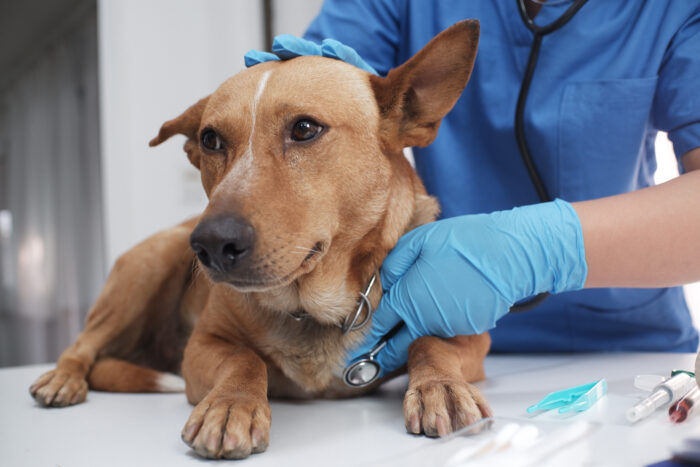
Once you arrive at the veterinary clinic, the vet and their team will take over, providing immediate care for your pet. Here’s what will happen:
- Diagnostic imaging
Your vet will perform X-rays, ultrasounds, or CT scans to assess the full extent of your pet’s injuries, including fractures, internal bleeding, and organ damage.
- Treatment of shock
If your pet is in shock, the veterinary team will administer IV fluids and medications to stabilize their condition.
- Surgical intervention
If necessary, your pet may need surgery to repair broken bones, treat internal bleeding, or address head injuries.
Common Injuries from Car Accidents:
- Fractured bones (limbs or ribs)
- Internal bleeding (hemorrhaging inside the body)
- Head trauma (including concussions or brain injury)
- Lung damage (e.g., punctured lungs)
- Lacerations and degloving injuries (where the skin is torn off)
After surgery or treatment, your pet may need several weeks of recovery and follow-up visits to ensure proper healing. With proper care, many pets go on to live healthy, happy lives after an accident.
Quick Action and Calmness Can Save Your Pet’s Life
When your pet is hit by a car, the moments right after the accident are critical. By staying calm and following these steps, you can significantly improve their chances of survival. Veterinary professionals will take over once you arrive at the clinic, but your immediate response is the first step toward saving their life.
By understanding what to do before reaching the vet, you give your pet the best possible chance of recovery and survival.
Restore Your Pet`s Health at Its Source
Discover the science behind regenerative medicine and how it may support your pet’s long-term well-being.