Key Signs of Dental Pain in Cats
Key Takeaways:
- Dental pain in cats is common and often goes unnoticed because cats hide discomfort.
- Changes in eating, grooming, mood, or social behavior are early warning signs.
- Drooling, bad breath, and pawing at the mouth are strong indicators of oral pain.
- Common causes include gingivitis, periodontal disease, tooth resorption, and gingivostomatitis in cats.
- Early veterinary diagnosis and treatment can dramatically improve comfort and quality of life.
Dental pain in cats is far more common—and far more difficult to detect—than many pet parents realize. Cats are experts at masking discomfort, a trait inherited from their wild ancestors who avoid showing weakness. This means even significant oral pain may go unnoticed until a cat begins refusing food, hiding, or showing seemingly sudden changes in behavior.
Recognizing the signs of dental pain early can make a life-changing difference for your cat’s comfort, appetite, and long-term health. This guide walks you through the most important symptoms to watch for and what they may mean.
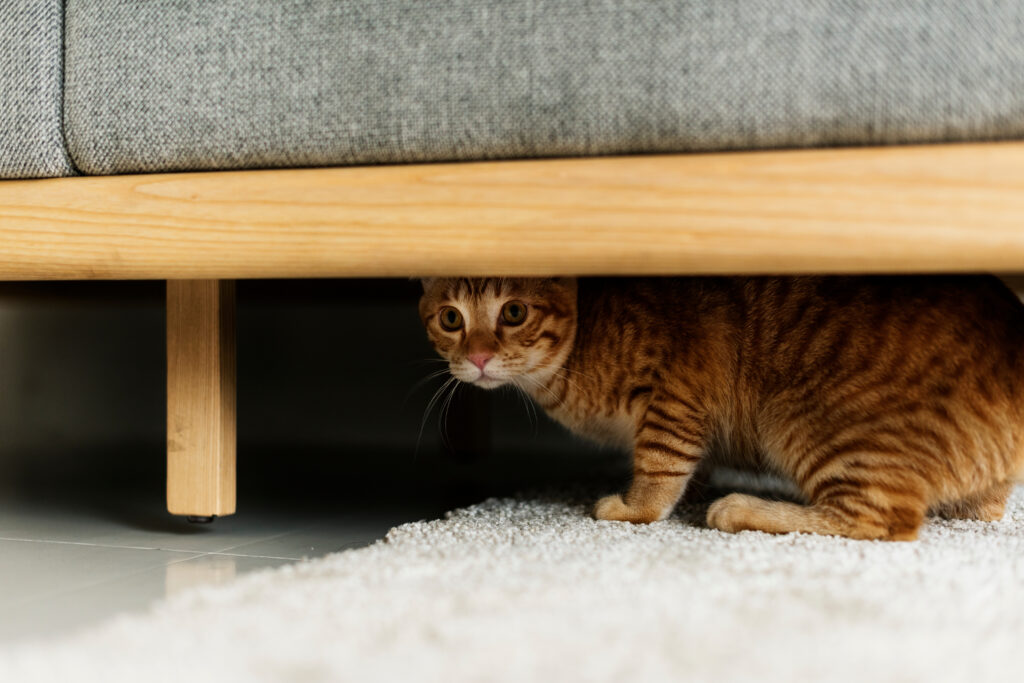
Why Cats Hide Dental Pain
Cats instinctively conceal pain because doing so protects them from predators in the wild. Even today, most cats will continue eating and acting normally long after discomfort begins. By the time outward signs appear, the underlying issue may have been developing for months or even years.
Dental pain can come from:
- Gingivitis
- Tooth resorption (very common in cats)
- Periodontal disease (inflammation of tissues around the tooth)
- Fractured or damaged teeth
- Gingivostomatitis
- Mouth ulcers or oral infections
- Oral tumors
Because many of these conditions worsen over time, understanding behavioral and physical clues is essential.
Behavioral Signs of Dental Pain in Cats
Behavior changes are often the first signs of oral discomfort in cats.
Changes in Eating Habits
One of the most common signs is a sudden shift in how your cat eats. You may notice:
- Approaching the bowl but hesitating to eat
- Dropping kibble from the mouth
- Chewing on only one side
- Eating more slowly than usual
- Preferring soft food over dry food
- Walking away from food after sniffing it
If your cat seems hungry but won’t eat, pain is likely involved.
Decreased Grooming
Cats stop grooming when their mouths hurt, especially if tongue movement or jaw opening is painful. You may see:
- Greasy or unkempt fur
- Matted areas, particularly along the sides and back
- An overall “scruffy” appearance
This is a strong indicator that oral pain is affecting daily routines.
Irritability or Avoidance
Dental discomfort can change a cat’s mood. Look for:
- Hiding behavior in cats
- Avoiding being touched, especially near the face
- Growling or swatting when picked up
- Reduced interest in social interaction
Cats often become less playful when they’re hurting.
Physical Signs of Dental Pain
Some symptoms are visible during normal interactions with your cat.
Drooling or Bleeding
Drooling in cats—especially if it’s thick, stringy, or blood-tinged—suggests oral pain or inflammation. You may notice:
- Wet spots where your cat rests
- Drool staining on the chin
- Occasional blood on toys or blankets
Bad Breath (Halitosis)
Mild “cat breath” can be normal, but foul, sour, or rotten odors are not. Bad breath often signals:
- Bacterial overgrowth
- Oral infections
- Deep gum inflammation
- Ulcers
- Tooth decay
Bad breath paired with behavioral changes is a major red flag.
Pawing at the Mouth
This is a more obvious sign of pain. Cats may paw at the face if:
- Something hurts
- Something is stuck
- A tooth or ulcer becomes especially sensitive
Any pawing or rubbing around the mouth warrants prompt veterinary attention.
Subtle Signs You Might Miss
Some indicators of dental pain are easy to overlook.
Changes in Facial Expression
Cats may adopt a “pain face,” which can include:
- Squinting
- Tight whiskers
- Flattened ears
- Less relaxed facial muscles
These expressions may come and go but often intensify during mealtimes.
Changes in Chewing Sounds
You may hear:
- Chattering
- Grinding
- Crunching noises that sound uneven
Cats with tooth resorption or gum inflammation often chew differently.
Preference for One Type of Toy
If your cat stops chasing hard toys but still enjoys soft ones, oral discomfort may be involved.
Dental Conditions That Commonly Cause Pain
Understanding the underlying cause helps pet parents know what to ask their veterinarian about.
Gingivitis
Early gum inflammation causes discomfort along the gumline. Without treatment, it can progress to periodontal disease.
Periodontal Disease
More advanced gum disease affects both the gums and tissues around the tooth, often causing deep pain. This is very common in adult and senior cats.
Tooth Resorption
One of the most painful and underrecognized feline dental issues, tooth resorption occurs when the tooth structure breaks down internally. It often requires extraction for relief.
Fractured or Broken Teeth
Cats can fracture teeth while chewing toys, bones, or even from trauma. Exposed nerves cause sharp, ongoing pain.
Gingivostomatitis
This severe immune-mediated condition leads to widespread inflammation, ulcers and/or oral masses, and intense discomfort. Many affected cats struggle to eat or groom normally.
Stay Ahead in Pet Care
Subscribe for thoughtful updates on clinical trials, product development, and the future of
regenerative pet care.
How Vets Diagnose Dental Pain
Because cats mask pain so effectively, veterinarians rely on:
- Oral exams under sedation
- Full-mouth dental X-rays
- Probing for hidden gum pockets
- Identifying ulcers, lesions, fractured teeth, or resorptive lesions
- Blood tests when systemic illness is suspected
Sedation and imaging are essential because many dental problems are invisible from the surface.
Treatment Options to Manage and Relieve Dental Pain
Professional Dental Cleaning
Dental cleanings remove plaque and tartar—the primary triggers of inflammation. Many cats experience noticeable relief afterward.
Extractions
Removing damaged or painful teeth is often the most effective treatment for:
- Tooth resorption
- Severe periodontal disease
- Gingivostomatitis
Most cats eat better and act brighter within days to weeks after extractions.
Medications
Depending on the disease, your vet may prescribe:
- Pain relievers
- Anti-inflammatory drugs
- Antibiotics
- Appetite stimulants
- Oral gels or rinses
- Immunosuppressants
Medications help manage pain while the underlying issue is treated.
Stem Cell Therapy (For Severe Chronic Pain)
For conditions like gingivostomatitis or chronic oral inflammation, stem cell therapy is emerging as a promising option. It may help:
- Reduce inflammation
- Improve comfort
- Encourage healing
- Support long-term relief in difficult cases
Your primary care veterinarian or a veterinary dentist can help determine whether this approach is appropriate.
Signs Your Cat’s Dental Pain Is Improving
Positive changes after treatment include:
- Eating normally again
- Drooling decreasing
- Grooming returning to normal
- Brighter demeanor
- Improved activity or playfulness
Cats often show dramatic personality improvements once pain is relieved.
When to Seek Immediate Veterinary Care
Seek prompt veterinary attention if your cat shows:
- Refusal to eat for 24+ hours
- Crying while eating
- Significant drooling or bleeding
- Swelling around the mouth
- Weight loss
- Sudden foul-smelling breath
Delaying treatment can lead to more serious complications.