The Pros and Cons of Having Multiple Litter Boxes
Your cat sees her litter box as more than just a bathroom. It’s a private retreat, a space that smells familiar, and a place she can truly call her own. That’s why so many new cat parents find themselves asking the same question: “How many litter boxes do I really need?”
It sounds simple, but the answer can make a big difference in your cat’s comfort and in how clean your house stays.
Do Cats Really Need More Than One Litter Box?
The general rule veterinarians recommend is one litter box per cat, plus one extra. So if you have one cat, you’ll ideally have two litter boxes. Two cats? Three litter boxes. And so on.
It may feel like overkill, but there are good reasons behind it. Cats aren’t like us. For them, a litter box isn’t just a toilet—it’s also part of their territory. Sharing one litter box with another cat can feel stressful, even threatening. Multiple boxes give everyone their own “safe space” and reduce squabbles over who owns what.
The Cleanliness Factor
Even if you scoop daily, there are moments when a box just isn’t fresh enough for a picky cat. That’s when accidents happen, often on your rug, bed, or in the corner of the room. Having an extra litter box nearby means your cat always has a clean option.
Think of it as a backup plan. Life gets busy, and on the days you can’t scoop right away, a second (or third) box saves you both a lot of stress.
What If You Only Have One Cat?
Many single-cat owners still wonder: “Do I really need two litter boxes for just one cat?” The answer depends on your home.
In bigger spaces, especially multi-story houses, your cat shouldn’t have to trek across the house or up flights of stairs to go. One box per level is usually appreciated. For convenience, just like we prefer a bathroom nearby, so do our cats. An extra litter box is simply more practical.
If you’re curious about other cat behavior problems that may relate to litter box issues, check out Never Ignore These 4 Cat Behaviors, which covers common signals cats give when something is off.
Where’s The Best Place to Put Cat Litter Boxes?
Cats prefer quiet, low-traffic areas where they won’t be startled. Avoid placing them next to food and water bowls, and don’t line up all the boxes in one spot. To cats, that feels like one giant box, not separate options. Spread them out in areas where your cat spends the most time, so there’s always one within reach.
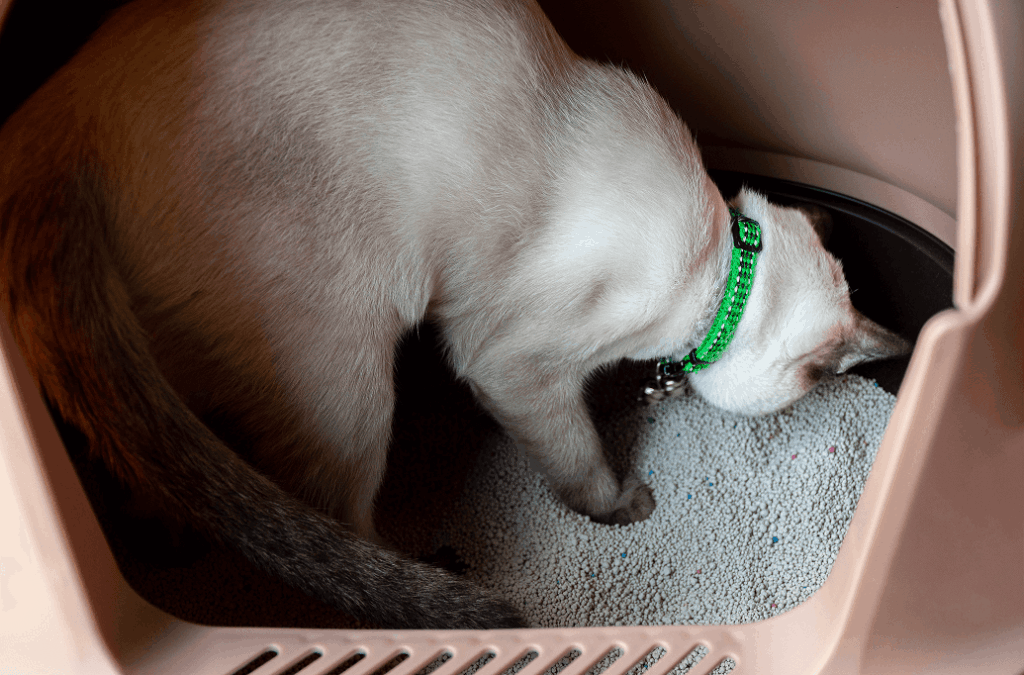
Do Cats Have Preferences When It Comes to Their Litter?
Just like people have bathroom preferences, cats do too. Some prefer clumping clay, while others opt for crystals or natural litters. Most dislike scented products, but it’s worth experimenting. In a multi-cat household, don’t expect everyone to agree on the same litter type. Giving options can help prevent accidents and keep the peace.
The Pros and Cons of Having Multiple Litter Boxes
So what are the real trade-offs?
Pros of multiple litter boxes:
- Keeps things cleaner
- Reduces cat stress and fights
- Prevents accidents around the house
- Works better in large homes
Cons of multiple litter boxes:
- Takes up more space
- Requires more frequent cleaning
- Costs more in litter and supplies
For most cat owners, the benefits outweigh the downsides, especially if you’ve ever dealt with accidents or territory disputes. It may feel like extra work, but the payoff is a cleaner home, a happier cat, and far fewer headaches for you.
Stay Ahead in Pet Care
Subscribe for thoughtful updates on clinical trials, product development, and the future of regenerative pet care.