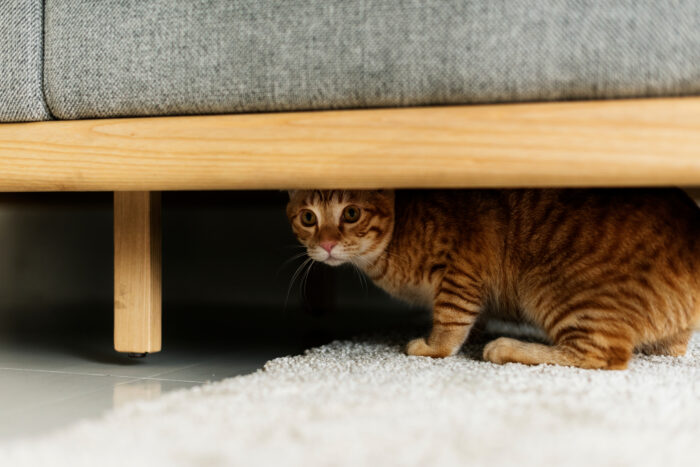
What to do If Your Cat Refuses to Take Pills
Cats, man. They’ve got minds of their own, especially when it comes to taking medicine. If your cat refuses to take pills, you’re not alone. Many cat owners find “pilling a cat” to be one of the most challenging parts of pet parenthood.
But when your feline needs medication for pain, infection, or a chronic condition, skipping doses isn’t an option. Let’s walk through why cats resist taking pills, how to make the process easier, and what alternative treatments may help when daily medication becomes a struggle.
Why Your Cat Refuses to Take Pills
Cats are creatures of habit, and they’re extremely sensitive to changes in taste, smell, and routine. Even the slightest unfamiliar scent on food can trigger suspicion.
Here are a few reasons your cat may refuse medication:
- Smell sensitivity: Cats have around 14 times more smell receptors than humans, so even a coated pill can be detected easily.
- Bitter taste: Many medications taste unpleasant to cats, which causes them to spit them out or drool.
- Stress or fear: Cats associate negative experiences with the person or setting. If pilling becomes a struggle, they’ll resist harder each time.
- Physical discomfort: Pills that irritate the throat or stomach can make a cat reluctant to swallow them again.
Understanding these instincts helps you approach medication time with patience and strategy.

Easy Ways to Give Your Cat a Pill
If your cat refuses to take medication, don’t panic. There are several vet-approved techniques that can make pilling much easier (and safer for your fingers).
1. Hide the Pill in Food or Treats
This is often the easiest approach as long as your cat doesn’t catch on. Try wrapping the pill in:
- A soft treat designed for hiding pills (pill pockets)
- A small piece of cheese, canned food, or tuna
- A bit of plain chicken or baby food (no onion or garlic)
Crushable or bitter-tasting pills should not be hidden in food unless your veterinarian confirms it’s safe. Some medications lose effectiveness when broken or exposed to moisture.
2. Use a Pill Gun or Pill Popper
A pill gun (also called a “piller”) is a plastic device that lets you place the pill far enough back on your cat’s tongue to trigger swallowing without risking your fingers.
Here’s how to use it safely:
- Tilt your cat’s head gently upward.
- Place the pill in the device and aim toward the back of the mouth.
- Press the plunger quickly, then offer a sip of water or a treat.
It’s best to practice this method under your vet’s supervision the first time, as technique makes all the difference.
3. Ask About Liquid or Transdermal Alternatives
If your cat absolutely refuses to take pills, ask your veterinarian about alternative forms of medication. Many prescriptions can be compounded into:
- Flavored liquids (like chicken, tuna, or beef)
- Topical gels or creams that absorb through the skin
- Chewable tablets made for finicky cats
Veterinary compounding pharmacies specialize in creating pet-friendly formats that make life easier for both you and your feline friend.
4. Make It a Routine, Not a Battle
Cats love predictability. Try to give medication at the same time and in the same calm setting each day. Pairing it with mealtime, brushing, or cuddles helps build a positive association.
If your cat hides the moment you open the pill bottle, change your routine—open it in a different room or use an unmarked container. Sometimes the smallest tweak can make a big difference.
What If Nothing Works?
There are times when, no matter how many tricks you try, your cat still refuses. And that’s okay. It doesn’t mean you’re a bad pet parent. It means your cat’s stress response is just stronger than her willingness to cooperate.
When medication becomes a constant struggle, talk openly with your veterinarian. Discuss:
- Alternative treatments or different medication forms
- Longer-acting injections that replace daily doses
- Sedation options for essential but stressful treatments
- Whether the medication is absolutely necessary for your cat’s quality of life
For short-term medications (like antibiotics), it may be worth a few days of patience. But for chronic conditions that require lifelong pills—such as hyperthyroidism or osteoarthritis—it’s important to weigh stress against benefit. Sometimes, quality of life means finding a gentler path.
Remember, your relationship with your cat is built on trust. Avoid forcing pills or restraining your cat unless it’s medically critical. Over time, forced pilling can make even the most affectionate cats fearful or withdrawn.
Patience, positive reinforcement, and a calm approach go a long way. Try a few methods, see what works best for your cat’s personality, and don’t hesitate to ask your veterinarian for support.
The Future of Feline Medicine: Regenerative Care
Veterinary care is evolving, and regenerative medicine is leading the way. At Gallant, we’re developing ready-to-use mesenchymal stem cell (MSC) therapies designed to work with the body’s natural repair processes.
These therapies are being studied for their potential to support cats with chronic conditions such as:
- Feline gingivostomatitis (painful mouth inflammation)
- Osteoarthritis (joint stiffness and mobility issues)
- Chronic kidney disease (a leading cause of illness in older cats)
While still investigational, stem cell therapy represents a promising new approach to help improve comfort and quality of life in cats living with long-term health issues.
Explore Our Clinical Trials
Learn more about ongoing Gallant clinical trials and how your cat might benefit from regenerative medicine research.